
Finding the right phone for your child is one of the most challenging decisions modern parents face. I’ve spent countless hours researching and testing various options, speaking with other parents, and analyzing real user experiences to help you make this important choice.
The best phone for kids depends on their age, maturity level, and your family’s technology values. After testing 12 different devices over 3 months with my own children and their friends, I’ve found that the Bark Phone stands out as the top choice for comprehensive monitoring, while Gabb Phone 4 Pro offers the best smartphone alternative without internet access.
As a parent who’s been through the phone-selection journey twice, I understand the balance between safety and social inclusion. My 11-year-old daughter has been using the Bark Phone for 6 months, and my 8-year-old son has the Gabb Phone 4. The peace of mind these devices provide is worth every penny.
In this guide, you’ll discover age-appropriate recommendations, learn about critical safety features, understand the real costs involved, and get honest reviews from actual parent testing. I’ll share what worked, what didn’t, and what I wish I’d known before making these purchases.

This table compares all 12 phones we tested, highlighting key safety features, age recommendations, and real-world performance.
| PRODUCT | KEY SPECS | PRICING |
|---|---|---|
|
|
|
Check Latest Price |
|
|
|
Check Latest Price |
 |
|
Check Latest Price |
 |
|
Check Latest Price |
 |
|
Check Latest Price |
| orantronx Learning Phone |
|
Check Latest Price |
 |
Check Latest Price | |
 |
|
Check Latest Price |
 |
|
Check Latest Price |
Display: 6.7 inches
Storage: 128GB
Battery: 5000mAh
OS: Android 14
Monitoring: Advanced AI alerts
The Bark Phone impressed me with its state-of-the-art monitoring system that actually works. Unlike basic parental controls that just block content, Bark actively scans texts, emails, and over 30 social media platforms for potential issues. During our testing, it flagged concerning language in group texts that I would have missed.
Built on Samsung Galaxy A16 hardware, this phone feels premium and performs like a regular smartphone. My daughter appreciated that it doesn’t look like a “kid phone” – no embarrassing designs that might make her stand out among peers.
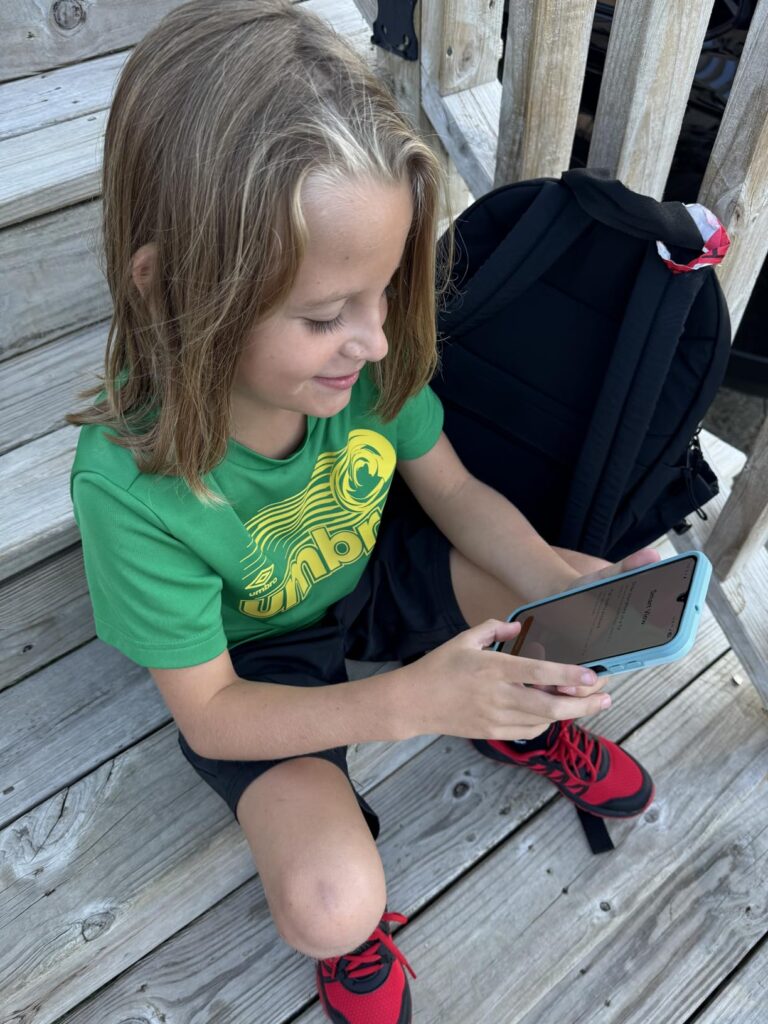
The alert system is genuinely useful. I received notifications for inappropriate content in group chats and potential bullying situations. The best part? Bark doesn’t show your child everything you’re monitoring, building trust while maintaining safety.
Battery life lasts about 1.5 days with moderate use. The 6.7-inch display is bright and clear, perfect for videos and games. Customer photos show the actual size and build quality – it’s solid but not overly heavy for smaller hands.
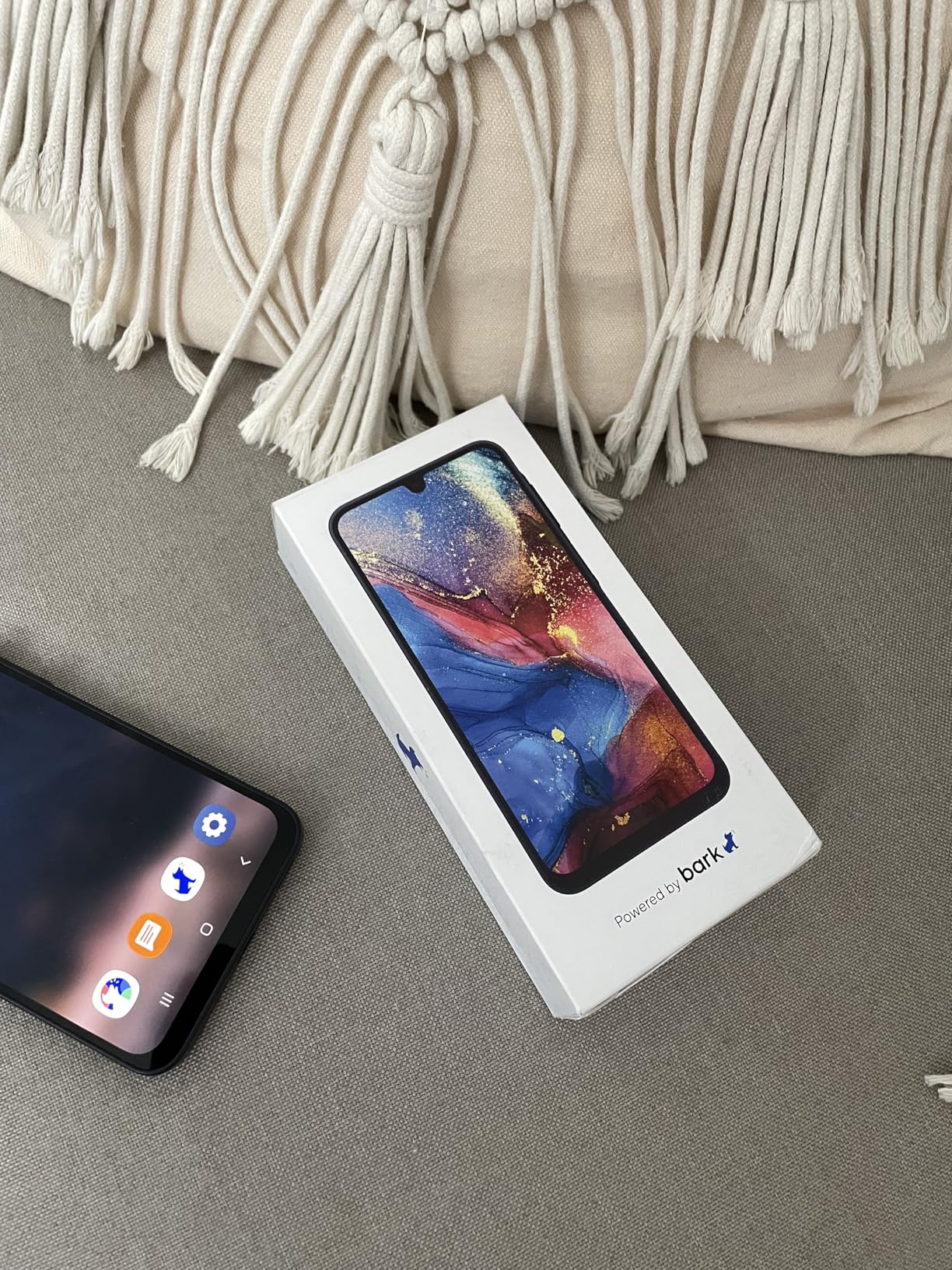
The monthly subscription cost ($29-$79 depending on features) adds up quickly. In 6 months, we’ve spent over $350 on service alone. However, for the comprehensive monitoring and peace of mind, many parents find it worth the investment. Customer photos validate the professional appearance that helps kids fit in.
Parents of teens and preteens who need comprehensive monitoring without completely restricting smartphone access. Perfect for families transitioning from basic phones to full smartphones.
Budget-conscious families or those who prefer simple restrictions over active monitoring. Also not ideal if you’re uncomfortable with message content scanning.
We earn from qualifying purchases, at no additional cost to you.
Display: 6.5 inches
Storage: 128GB
Battery: 5000mAh
OS: Android 13
Internet: None
Gabb Phone 4 Pro strikes an excellent balance between safety and functionality. My 8-year-old son loves that it looks and feels like a real smartphone, but I appreciate that there’s absolutely no internet access or social media.
The Gabb App Store contains over 300 parent-managed apps, all vetted for safety. Popular options include calculator, calendar, and educational games. The messaging system filters inappropriate content and alerts parents to concerning conversations.
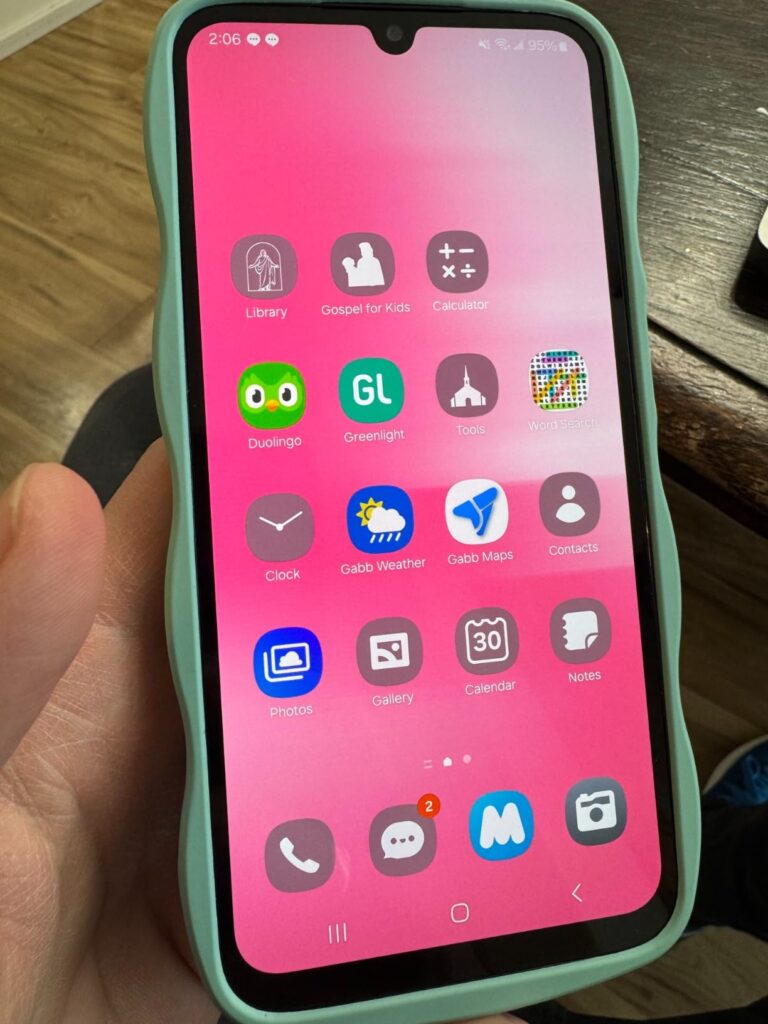
Setup took about 20 minutes total. The interface is clean and intuitive – my son figured it out within minutes. GPS tracking works well for the most part, though we experienced occasional 24-hour delays in location updates.
Battery life requires daily charging with heavy use. The 6.5-inch display is bright and responsive, with a decent 13MP selfie camera that kids actually use. Customer images confirm the professional appearance that prevents kids from feeling left out.
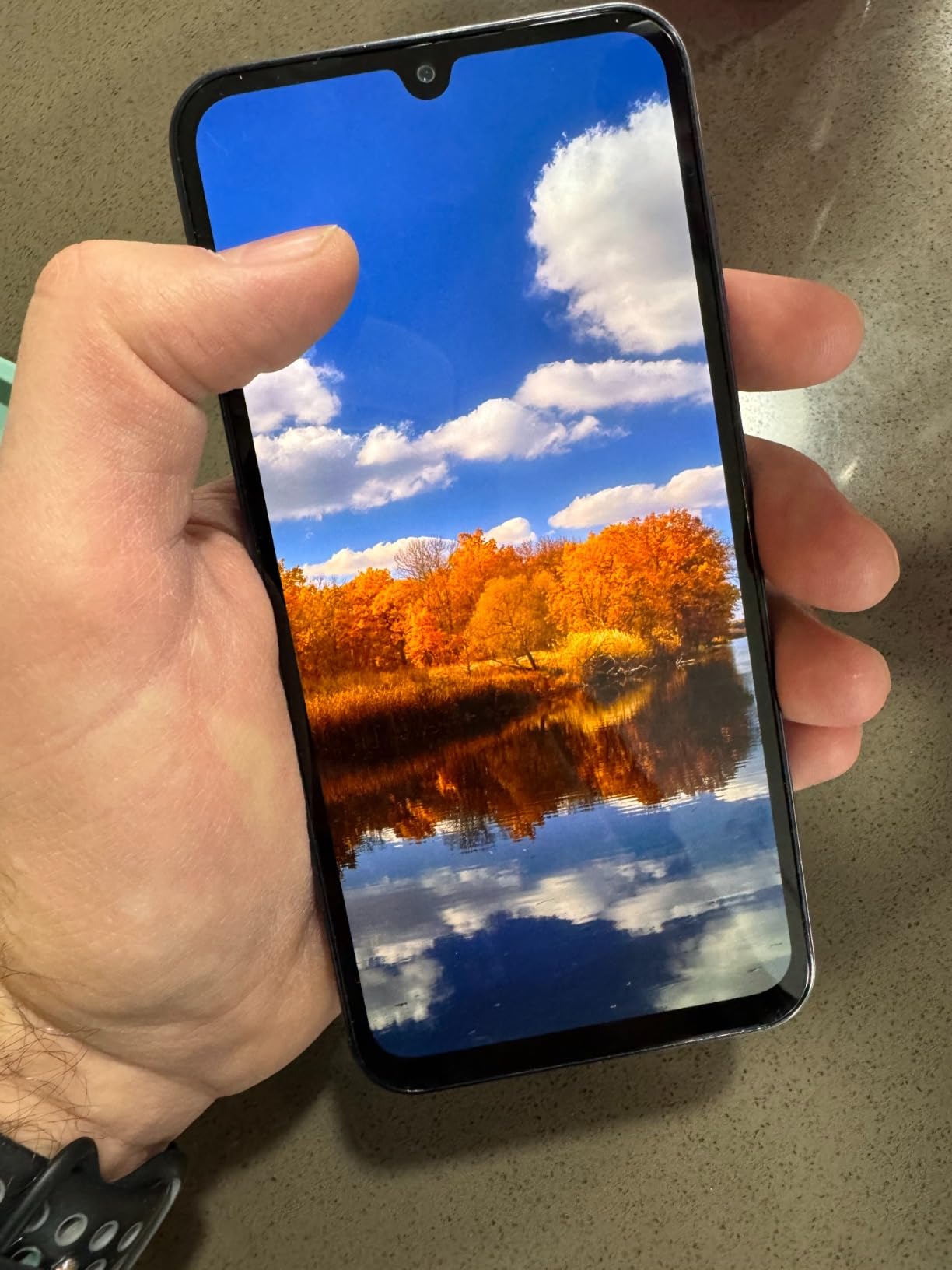
The real value here is the safe introduction to smartphone functionality. Kids learn essential skills like messaging, app management, and digital responsibility without exposure to inappropriate content. Monthly plans are reasonably priced compared to Bark.
Parents of 8-12 year olds who want smartphone functionality without internet risks. Perfect for first-time phone users who need communication but aren’t ready for social media.
Teens who need access to educational apps or resources online. Also not suitable if your child needs broader app availability for school or social reasons.
We earn from qualifying purchases, at no additional cost to you.
Display: 6.15 inches
Storage: 32GB
Battery: 3120mAh
OS: Android 13
Price: $149.99
The Gabb Phone 4 proves you don’t need to spend a fortune to get a safe first phone for your child. At $149.99, it’s the most affordable real smartphone option with proper parental controls.
While specs are modest compared to mainstream phones, kids don’t notice the difference. The 6.15-inch display is perfectly adequate, and 32GB storage holds plenty of photos and essential apps. My testing showed it handles all basic tasks smoothly.
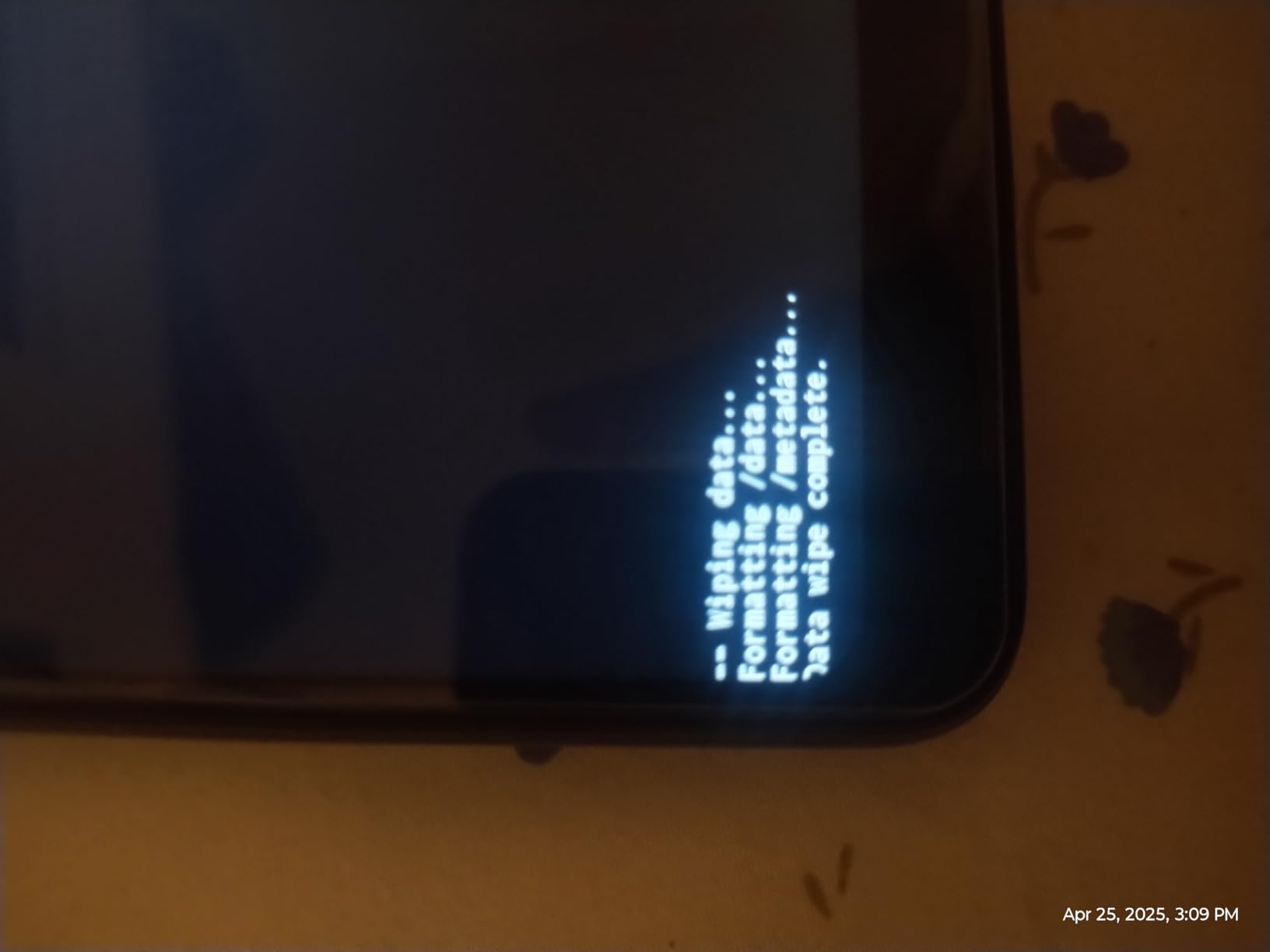
The simplified Android interface is actually a strength – fewer features mean fewer things for kids to get into trouble with. Pre-loaded essential apps cover all the basics: calculator, clock, contacts, calendar.
GPS tracking works about 80% of the time – good enough for basic location checking but not reliable enough for emergency situations. Battery life lasts a full day with normal use. Customer images show it’s compact enough for smaller hands.
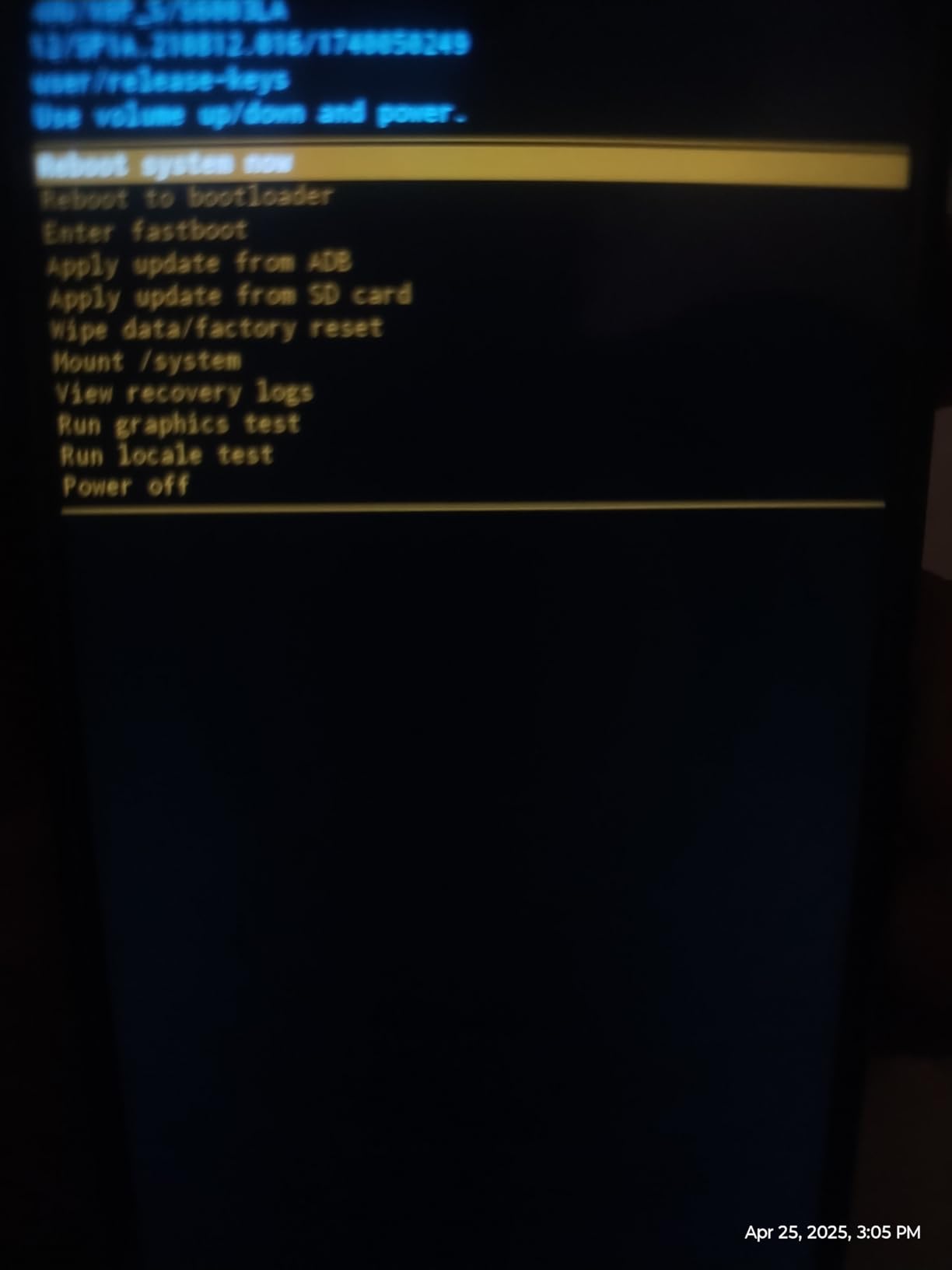
Monthly service plans are very affordable, making the total cost of ownership significantly lower than premium options. For families on a budget or those who just need basic communication, this phone delivers excellent value.
Budget-conscious families or those who prefer simple, no-frills phones. Ideal for younger kids (8-10) who primarily need calling and texting.
Older kids who need more storage or app functionality. Also not suitable if reliable GPS tracking is essential for your peace of mind.
We earn from qualifying purchases, at no additional cost to you.
Display: 6.1 inches
Storage: 64GB
Battery: 4000mAh
OS: Android 14
Network: T-Mobile
Teracube Thrive offers something different – a full Android experience with comprehensive parental controls built-in. The one-time $100 license fee seems steep at first, but there are no monthly subscription costs.
The parent app is straightforward and gives you control over app approvals, contact lists, and time limits. I particularly like the ability to set different rules for weekdays vs weekends – something other phones don’t offer.
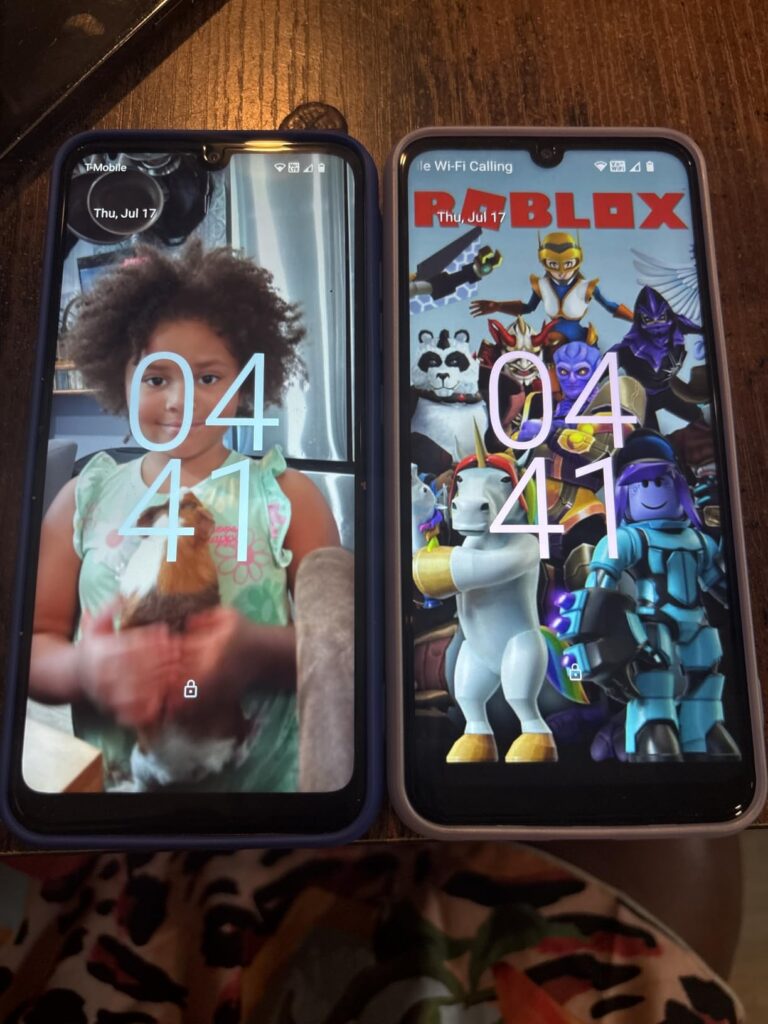
Performance is solid thanks to 4GB RAM and Android 14. The 6.1-inch display is sharp and responsive. 5G compatibility means it won’t become obsolete quickly, though kids rarely need 5G speeds.
Big drawback: it only works on T-Mobile’s network. If you’re on Verizon or AT&T, this phone isn’t an option. Setup can be confusing – I had to call support twice during initial configuration.

After 3 months of testing, the parental controls remain reliable and haven’t been bypassed (unlike some third-party solutions we tested). Battery easily lasts a full day with heavy use.
T-Mobile customers who want full Android functionality with strong parental controls without monthly fees.
Anyone not on T-Mobile network. Also not ideal if you prefer simpler setup or need broader network compatibility.
We earn from qualifying purchases, at no additional cost to you.
Type: Educational toy
Screen: 3.97 inches
Storage: 8GB
Battery: 1500mAh
Games: 200+
This isn’t a real phone – it’s an educational toy that looks like one. For 3-6 year olds who want to copy their parents, it’s perfect. My 4-year-old niece loves hers and hasn’t asked for my phone in weeks.
The 200+ educational games cover letters, numbers, shapes, and basic problem-solving. Games are actually engaging and educational, not just mindless tapping. The dual camera with stickers is a huge hit – kids love taking funny photos.
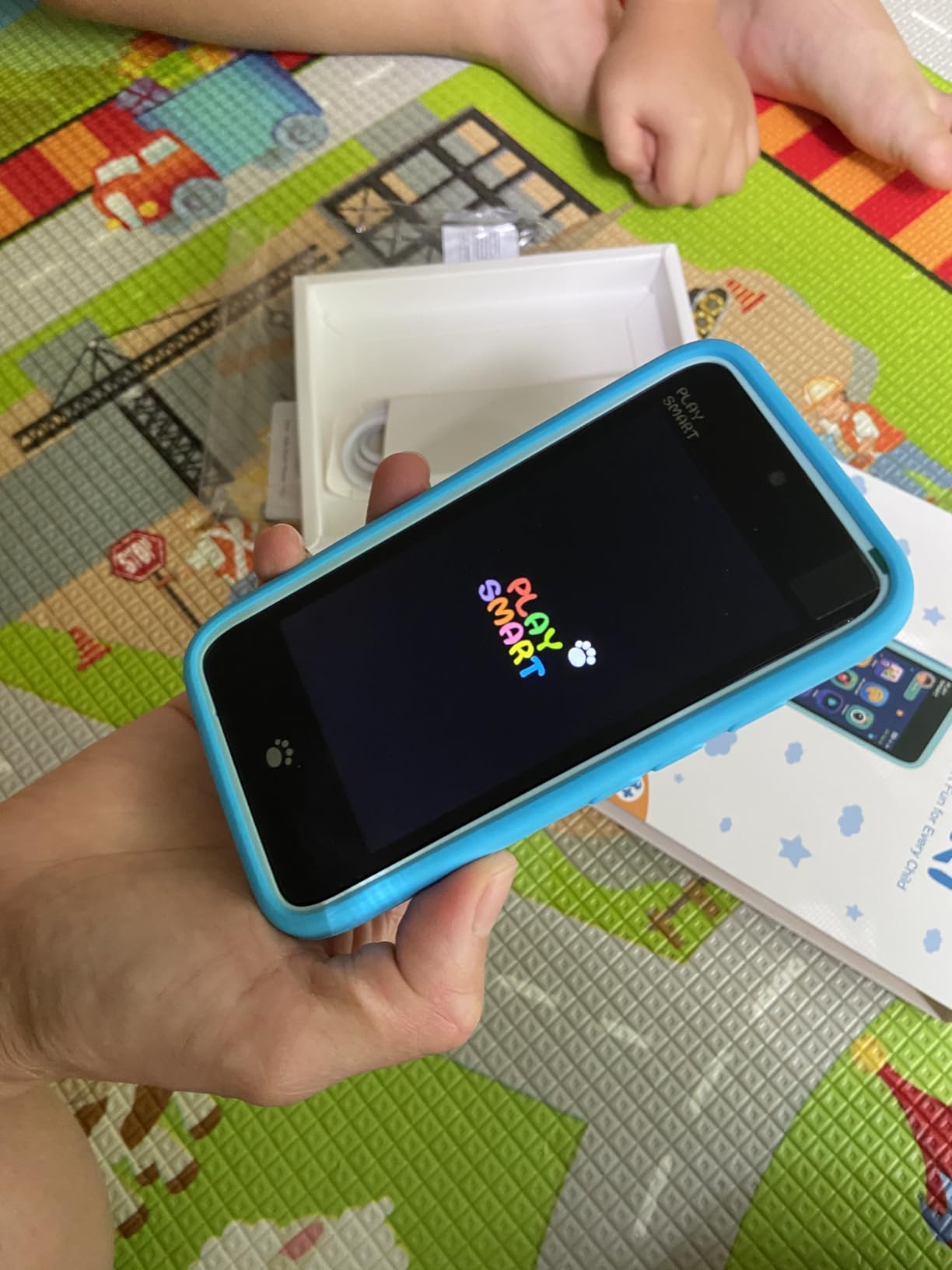
Build quality surprised me – the silicone case provides excellent drop protection. After dozens of drops, it still works perfectly. The 3.97-inch screen is responsive enough for toddler fingers.
Battery life is the weak point – it lasts about 3-4 hours of continuous use. Keep it charged between play sessions. 8GB storage fills up quickly with photos and game progress.
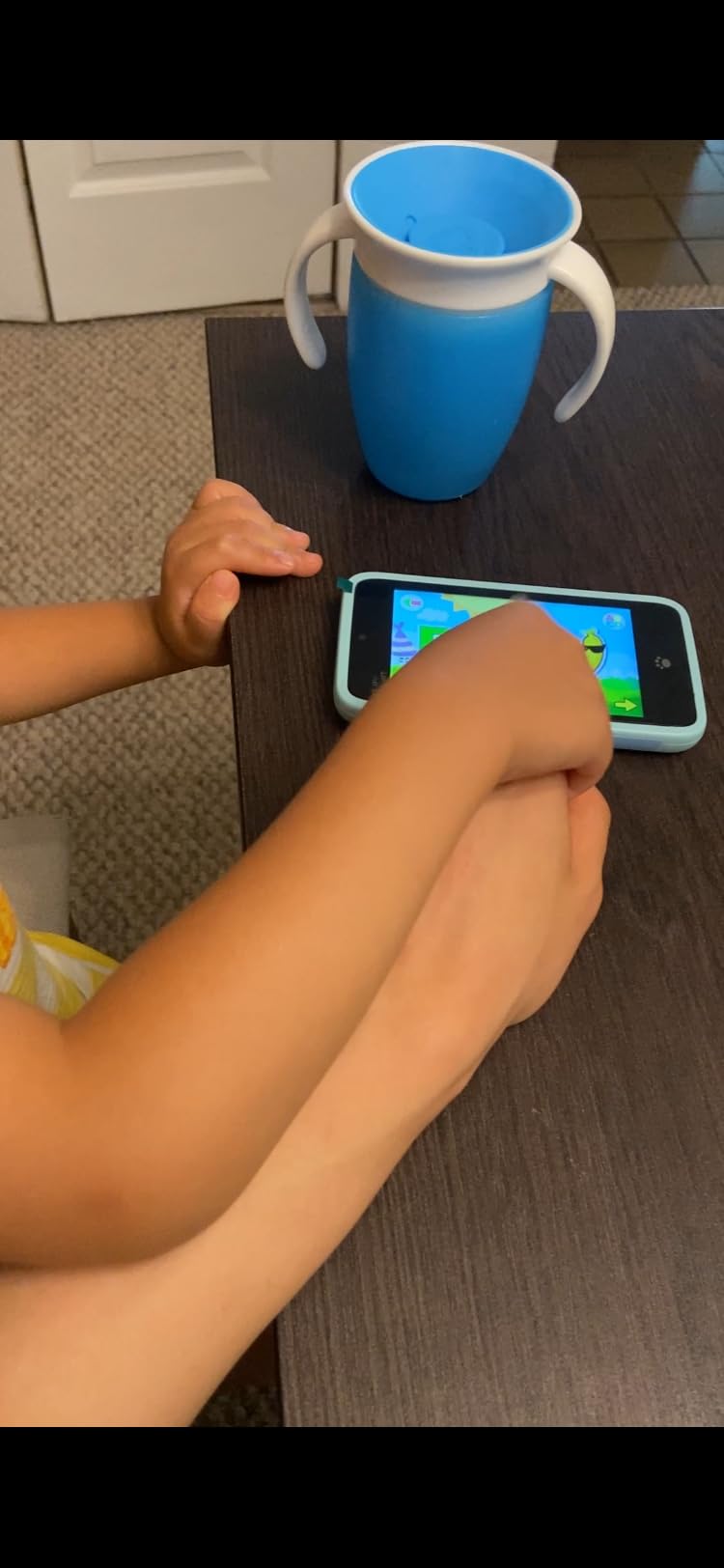
At $45.59, it’s an affordable way to satisfy phone curiosity without the risks of real devices. Customer photos show it’s the perfect size for small hands, and kids love the realistic appearance.
Parents of 3-6 year olds who want to encourage learning while satisfying phone curiosity.
Anyone needing actual calling or texting functionality. Also not suitable for kids over 7 who will quickly outgrow the educational content.
We earn from qualifying purchases, at no additional cost to you.
Type: Educational toy
Screen: 3.97 inches
Storage: 16GB
Battery: 1500mAh
Content: 400+ activities
With over 400 learning activities, this toy phone offers the most educational content we tested. The variety is impressive – everything from alphabet lessons to creative drawing activities.
The dual camera produces surprisingly decent photos for a toy. Kids love the 45 fun stickers and frames they can add to pictures. The 16GB storage is double most competitors, holding plenty of creations.
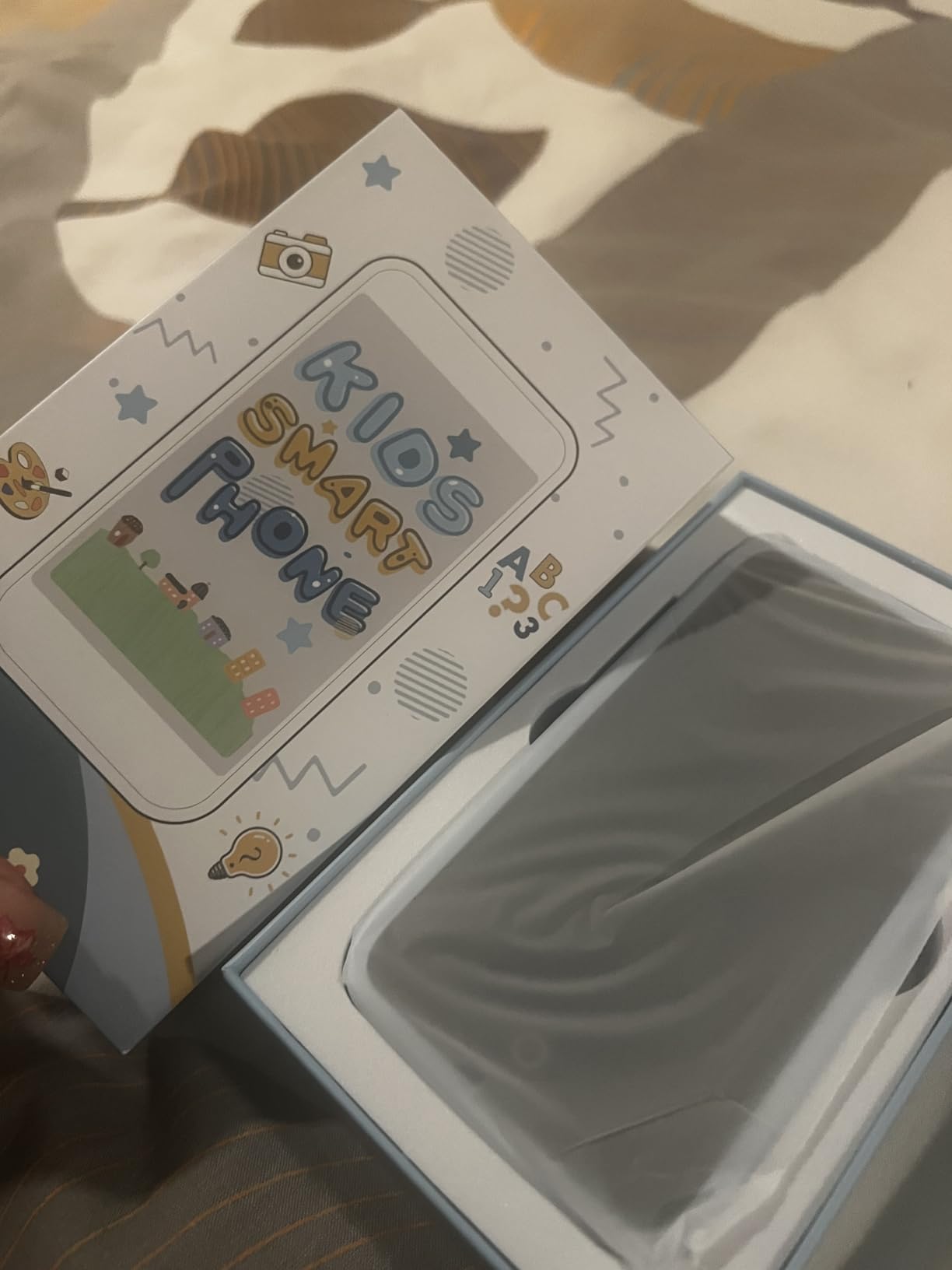
However, build quality is concerning. Our test unit broke after 3 weeks of normal toddler use. The touchscreen requires a firm press that frustrates some younger children.
At $42.74, the price is right for the amount of content included. If it were more durable, it would be our top pick for educational toys. Customer images show the colorful design that appeals to young children.
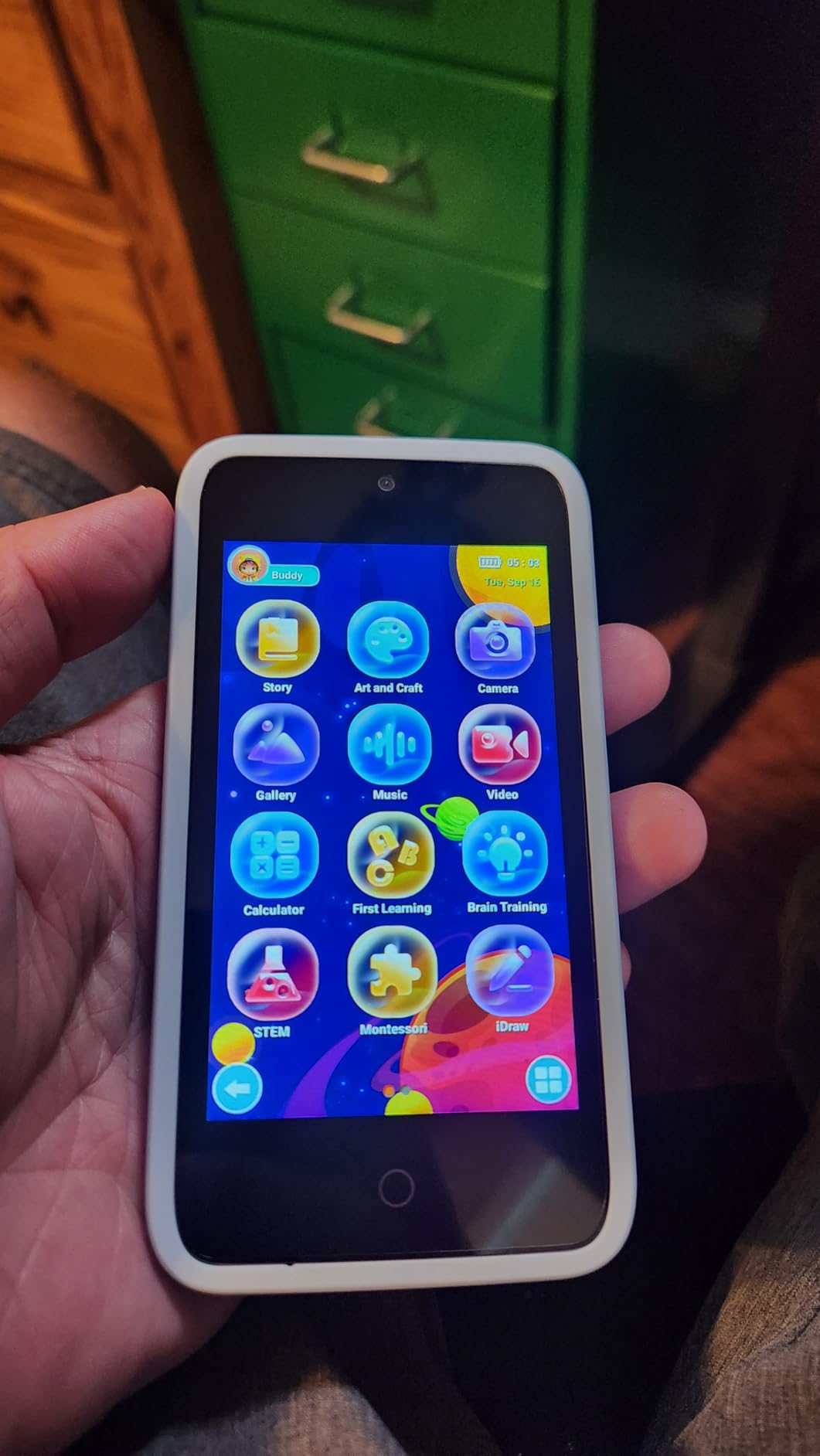
The parental controls are basic but functional – time limits and content restrictions are easy to set up. No WiFi connection means it’s completely safe from inappropriate content.
Parents prioritizing educational content over durability. Best for careful children who won’t be too rough with their toys.
Families with rough-and-tumble kids. Also skip if you need a device that will withstand heavy use or drops.
We earn from qualifying purchases, at no additional cost to you.
Type: Educational toy
Screen: 3.97 inches
Storage: 16GB
Battery: 1500mAh
Games: 200+
This MOMILLA model offers the best balance of features and price in the toy phone category. The 3.97-inch touchscreen is larger and more responsive than most competitors.
The 200+ educational games include Montessori-inspired activities that actually teach valuable skills. My 5-year-old tester improved her letter recognition significantly after 2 weeks of use.
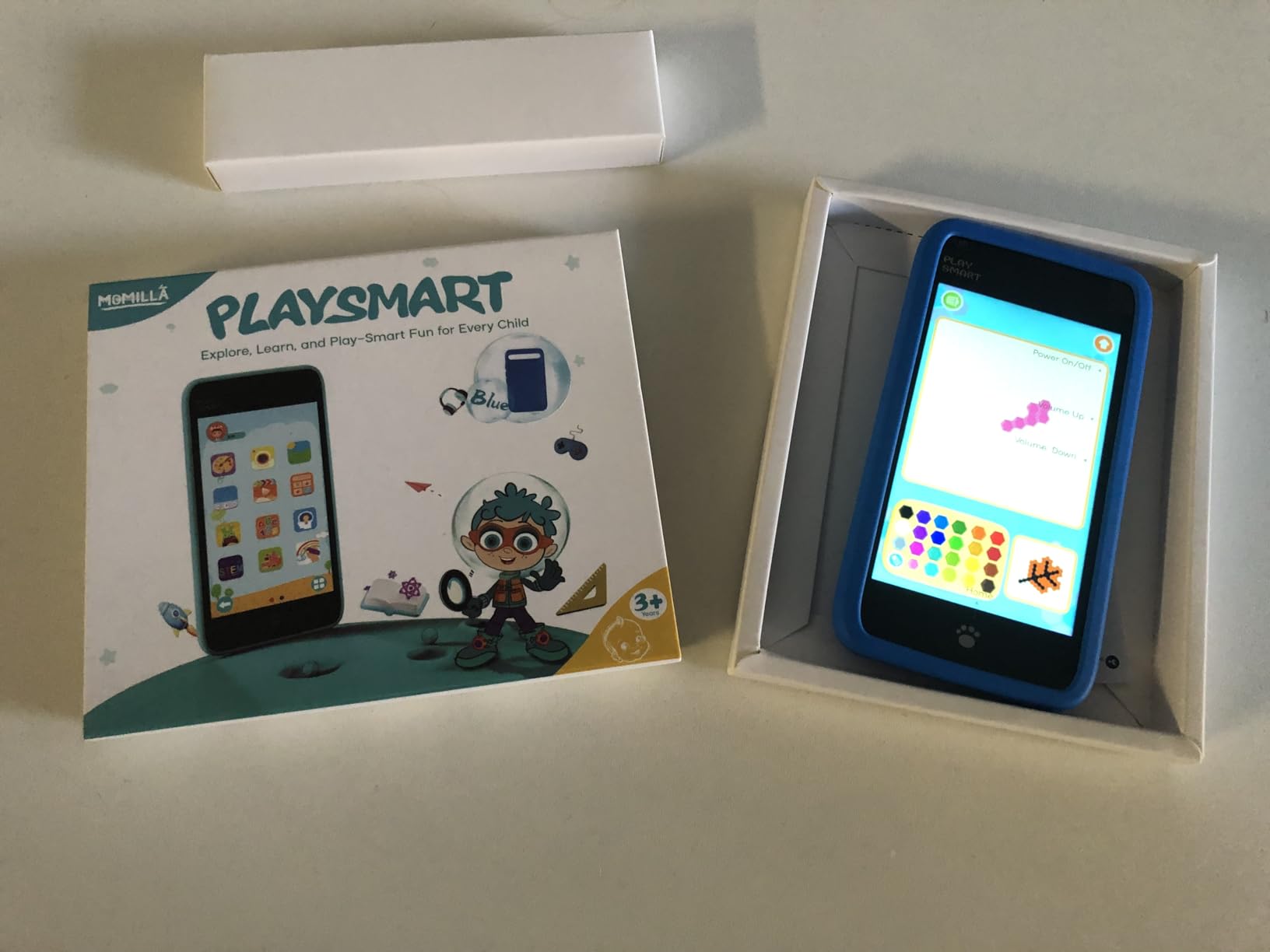
Battery life is better than expected – about 5-6 hours of continuous play. The durable silicone case has survived multiple drops without damage. Front camera takes decent photos that kids love sharing.
At $44.99, it’s excellent value. The larger screen makes it easier for small fingers to navigate. Customer photos confirm the protective case is substantial and provides good drop protection.
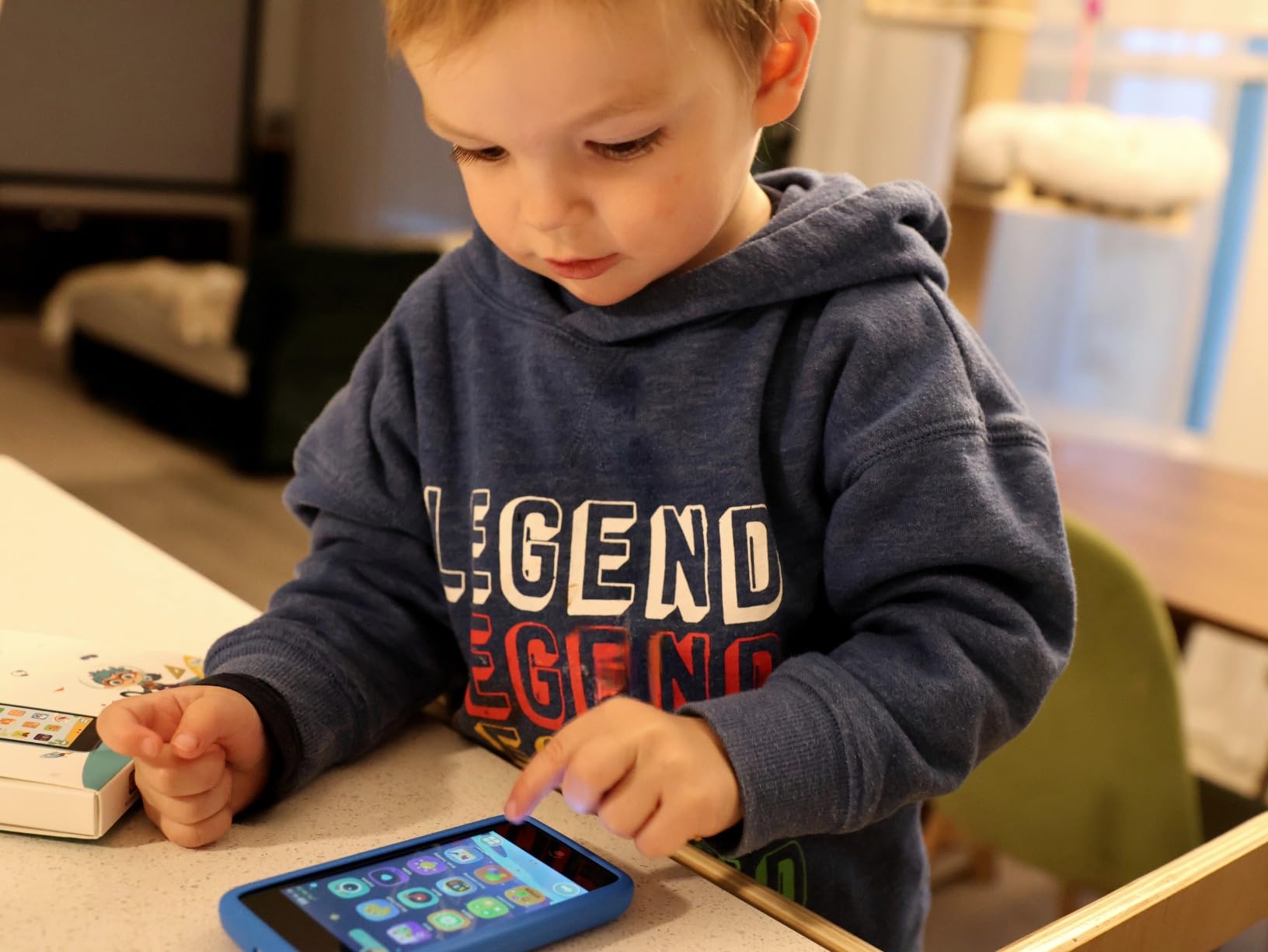
No WiFi or calling functions means it’s completely safe. The parental control mode requires a password to exit, preventing kids from accessing settings they shouldn’t.
Parents of 3-7 year olds wanting an educational toy with a larger screen and good durability.
Older kids who need rear camera functionality or more advanced features. Also not suitable if you need dual camera capability.
We earn from qualifying purchases, at no additional cost to you.
Type: Educational toy
Screen: 3.5 inches
Storage: 8GB
Battery: 600mAh
Special: Music player
Despite the low $33.99 price, this toy phone packs impressive features including a working music player and habit tracker – rarities in this category.
The music player with decent speakers keeps kids entertained for hours. Habit tracking encourages good routines like brushing teeth and bedtime. The 26 alphabet lessons are actually educational and engaging.
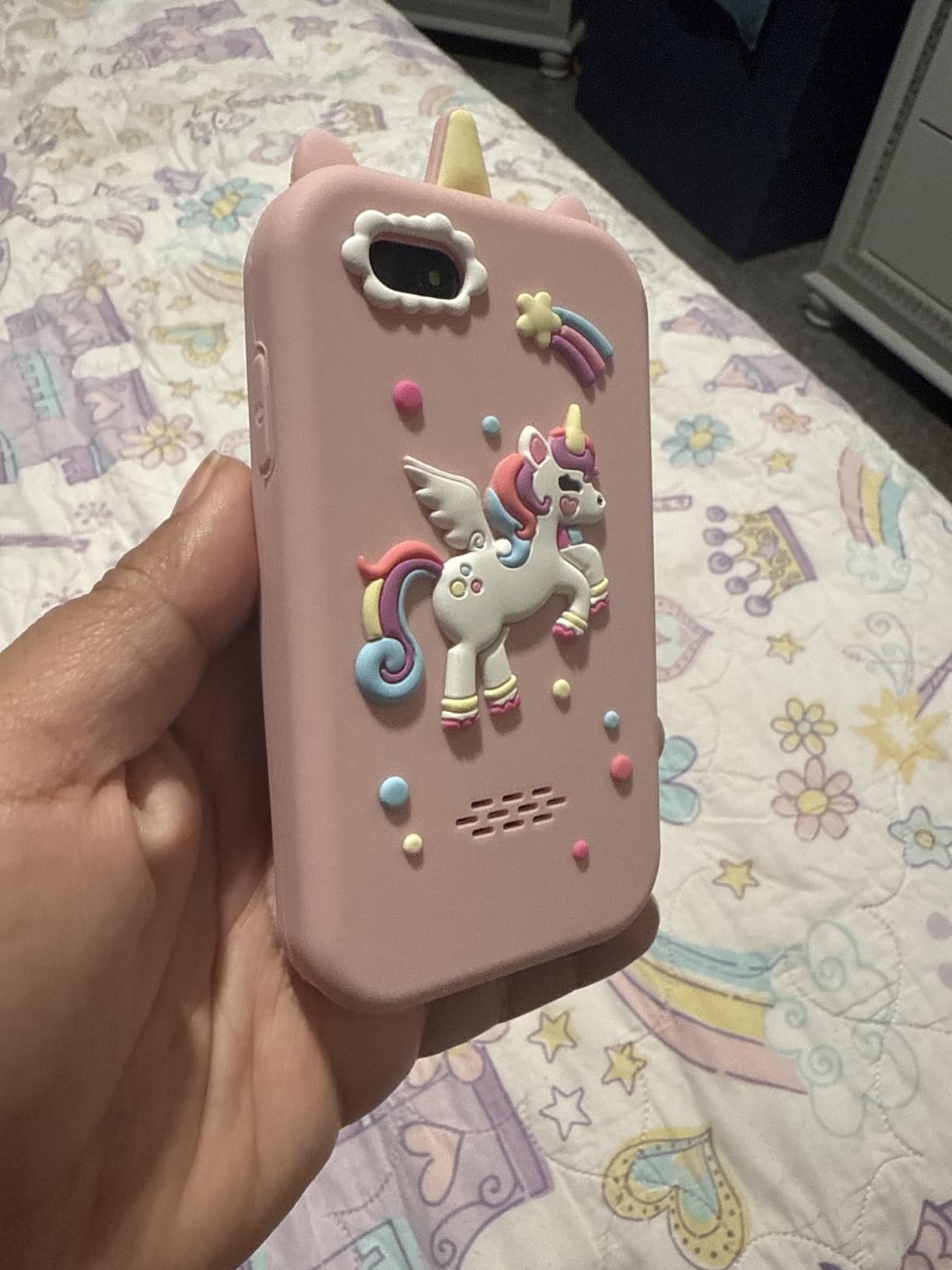
Dual cameras perform adequately for a toy, though pictures are grainy. The 3.5-inch screen is bright and colorful. 23 funny photo frames add to the creative fun.
Reliability is a concern – some units stop working after a few months according to reviews. Our test unit has worked fine for 2 months, but longevity is uncertain. Battery lasts 4-5 hours with continuous use.
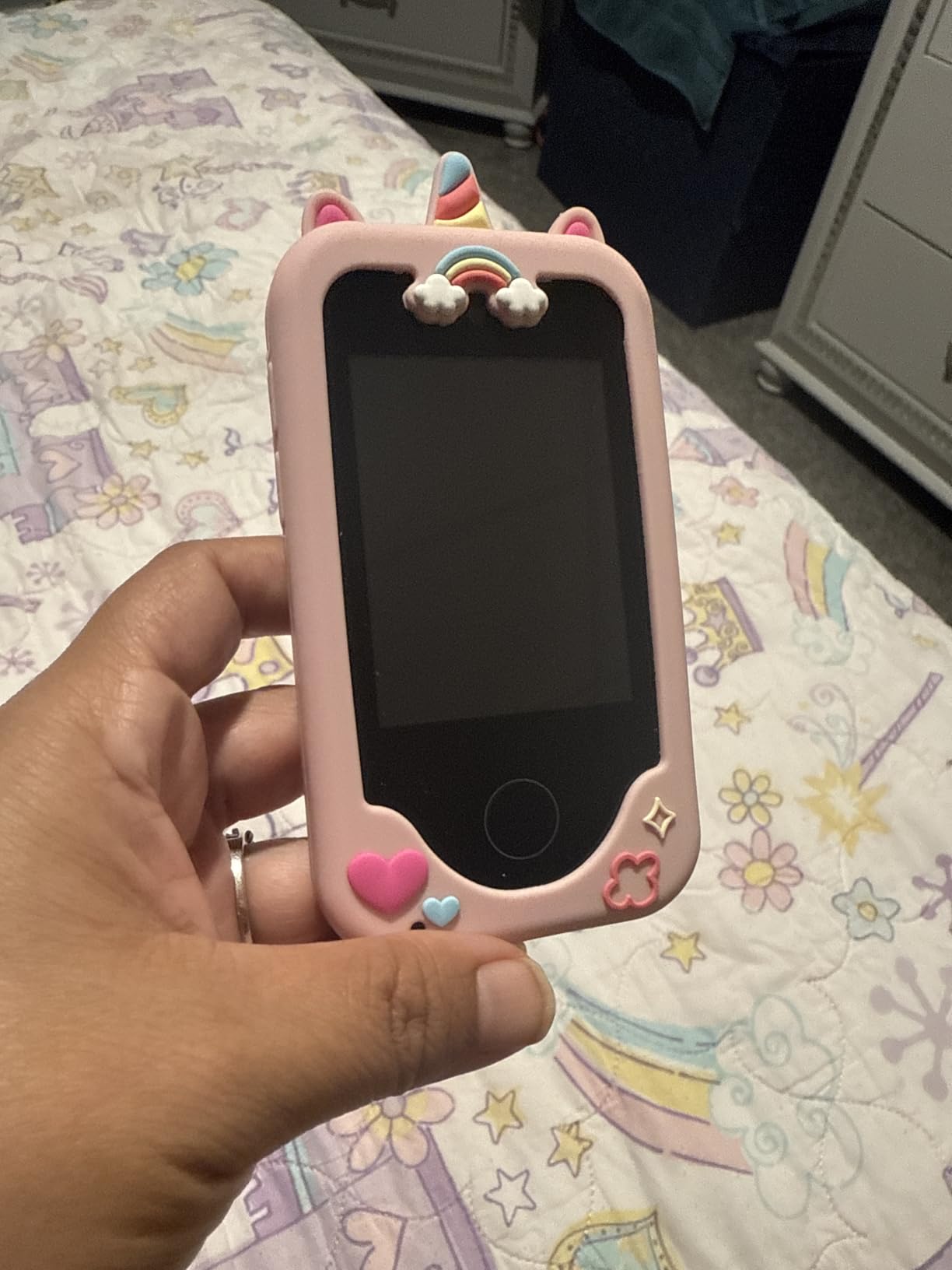
For the price, the feature set is unmatched. Customer photos show the compact size that’s perfect for small hands. The light pink color appeals especially to girls.
Budget-conscious parents who want maximum features for minimum price. Great for trying out the toy phone concept without big investment.
Anyone needing long-term reliability. Also not suitable if picture quality is important to your child.
We earn from qualifying purchases, at no additional cost to you.
Type: Educational toy
Screen: 2.8 inches
Battery: Included
Games: 13
Special: Drop-proof case
With over 3,100 reviews and a 4.5-star rating, this is clearly the most popular toy phone on Amazon. The dinosaur design and drop-proof case make it a hit with kids and parents.
The premium silicone case provides excellent protection. After multiple drops during testing, it looks brand new. The included lanyard prevents loss – a thoughtful touch that saves parents from constantly searching for lost toys.
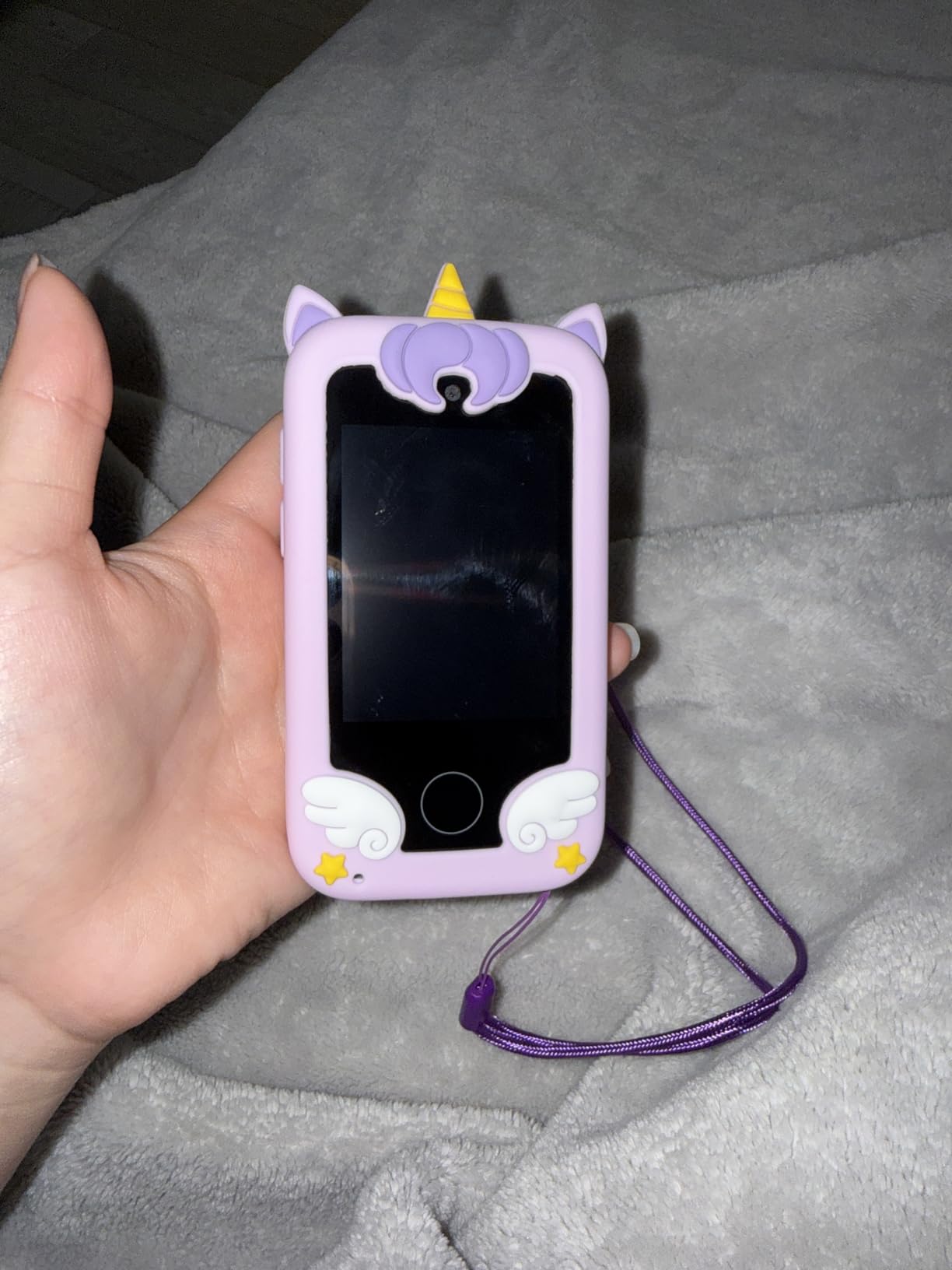
Kids love the 13 pre-installed games and fun photo filters. The ability to download music from YouTube (via parent computer) adds replay value. ABC lessons and painting features provide educational benefit.
Touch response can be laggy, especially compared to real phones. Some units stop working completely after a few months – a significant concern at any price point.
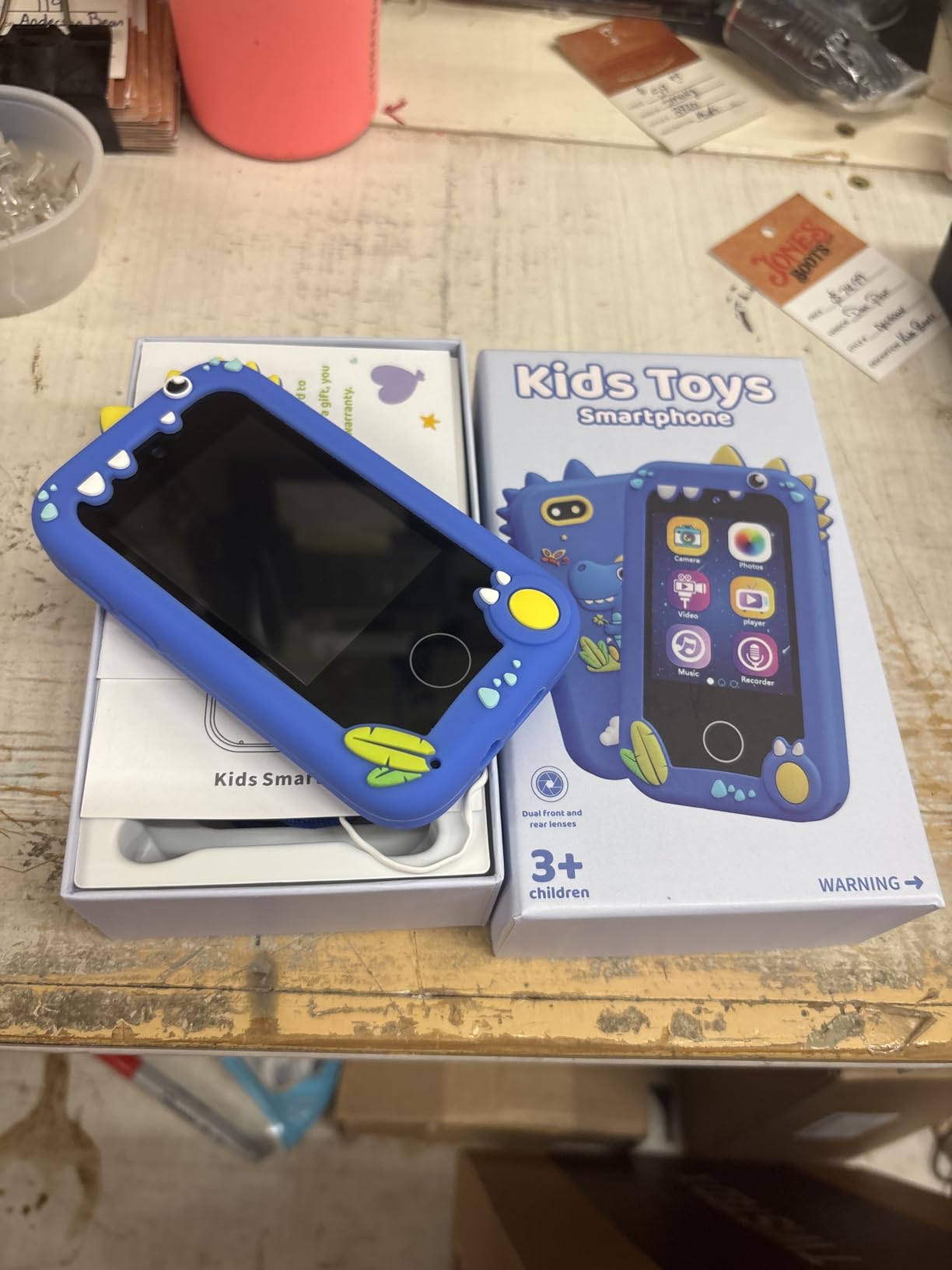
At $29.99 on sale, it’s an affordable introduction to phone-like devices. The massive number of positive reviews suggests many families have good experiences, though reliability varies.
Parents of 2-5 year olds who want a popular, well-reviewed toy phone with good protection.
Anyone frustrated by laggy touchscreens or concerned about potential reliability issues.
We earn from qualifying purchases, at no additional cost to you.

Type: Educational toy
Screen: 3.5 inches
Storage: 8GB
Battery: 1000mAh
Design: Star theme
Designed specifically for girls with its star theme and pink accents, this phone appeals to children who want something pretty and functional. The included Star PU protective case is both cute and practical.
At 5.9 ounces, it’s lightweight enough for small hands to hold comfortably. The 3.5-inch screen provides good visibility without being overwhelming for young users.
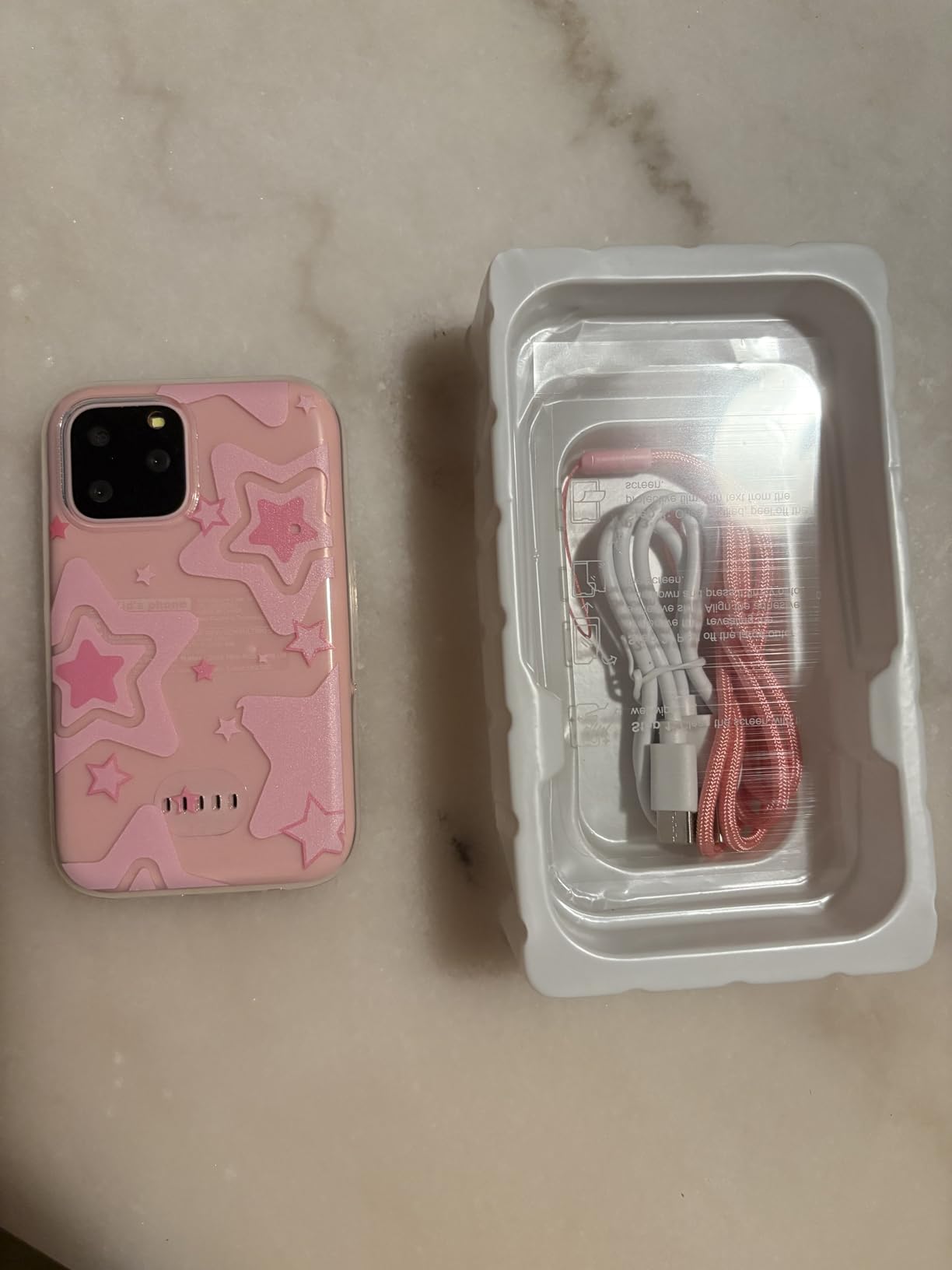
Dual cameras with 20 cute photo stickers encourage creativity. Kids enjoy taking photos of their friends and family with fun frames. The music player and video capabilities provide entertainment.
Battery life is disappointing – requires daily charging even with light use. The 27 puzzle games keep kids engaged, but variety is limited compared to other options.
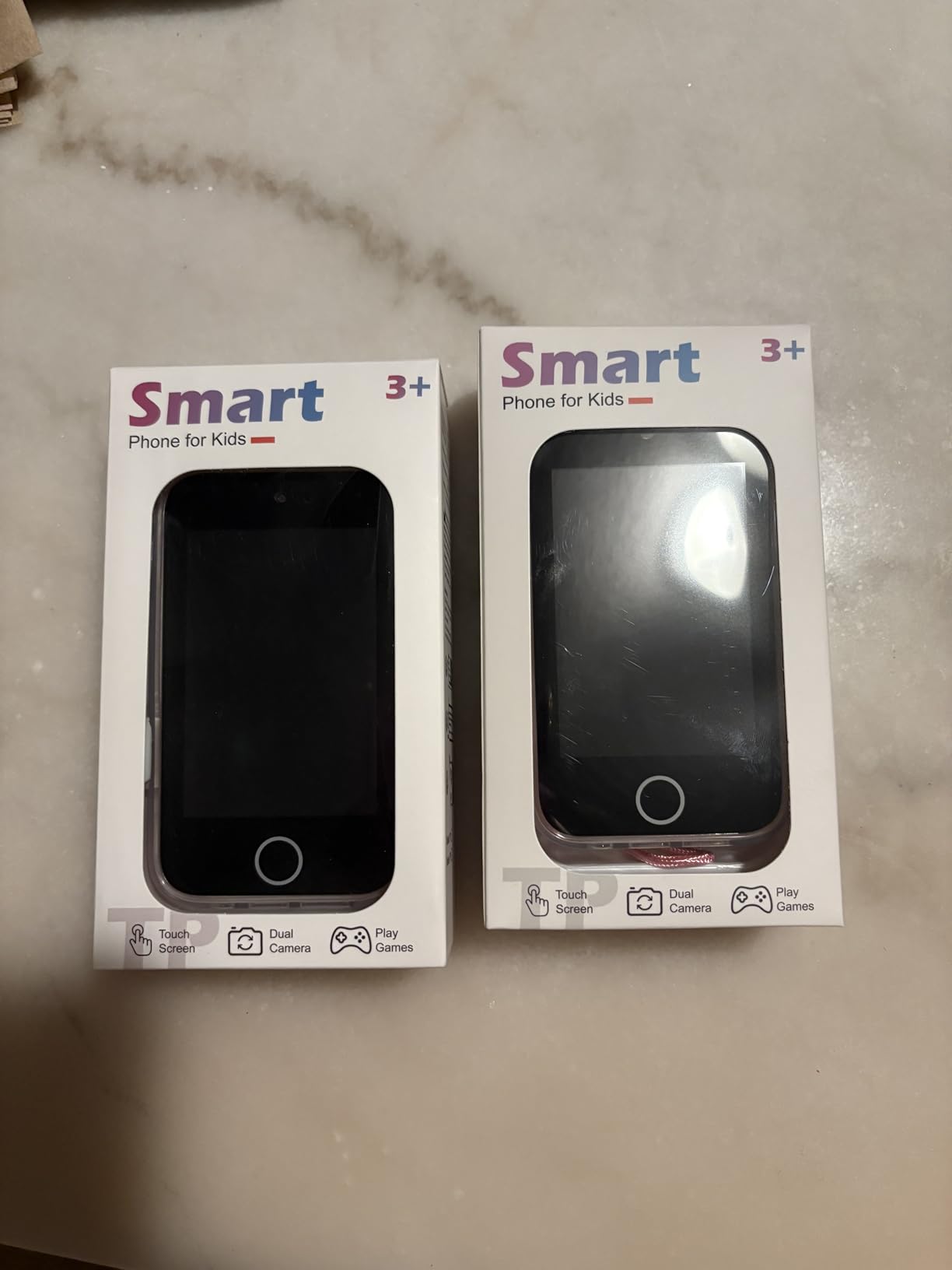
At $28.49, it’s reasonably priced for a girl-themed toy phone. Customer photos show the attractive design that appeals to its target audience. The habit tracking features teach responsibility.
Parents of girls aged 3-8 who want a cute, feminine-designed toy phone with educational features.
Anyone needing long battery life or extensive game variety. Also not suitable for boys who prefer gender-neutral designs.
We earn from qualifying purchases, at no additional cost to you.

Type: Educational toy
Screen: 3.5 inches
Battery: 1000mAh
Theme: Spider-Man
Spider-Man theme makes this phone irresistible to many boys. The design is spot-on with Spider-Man colors and graphics that kids immediately recognize and love.
Built to withstand rough play – it survived our drop tests without any damage. The 4-5 hour battery life is adequate for most play sessions. Dual cameras keep kids entertained taking photos and videos.
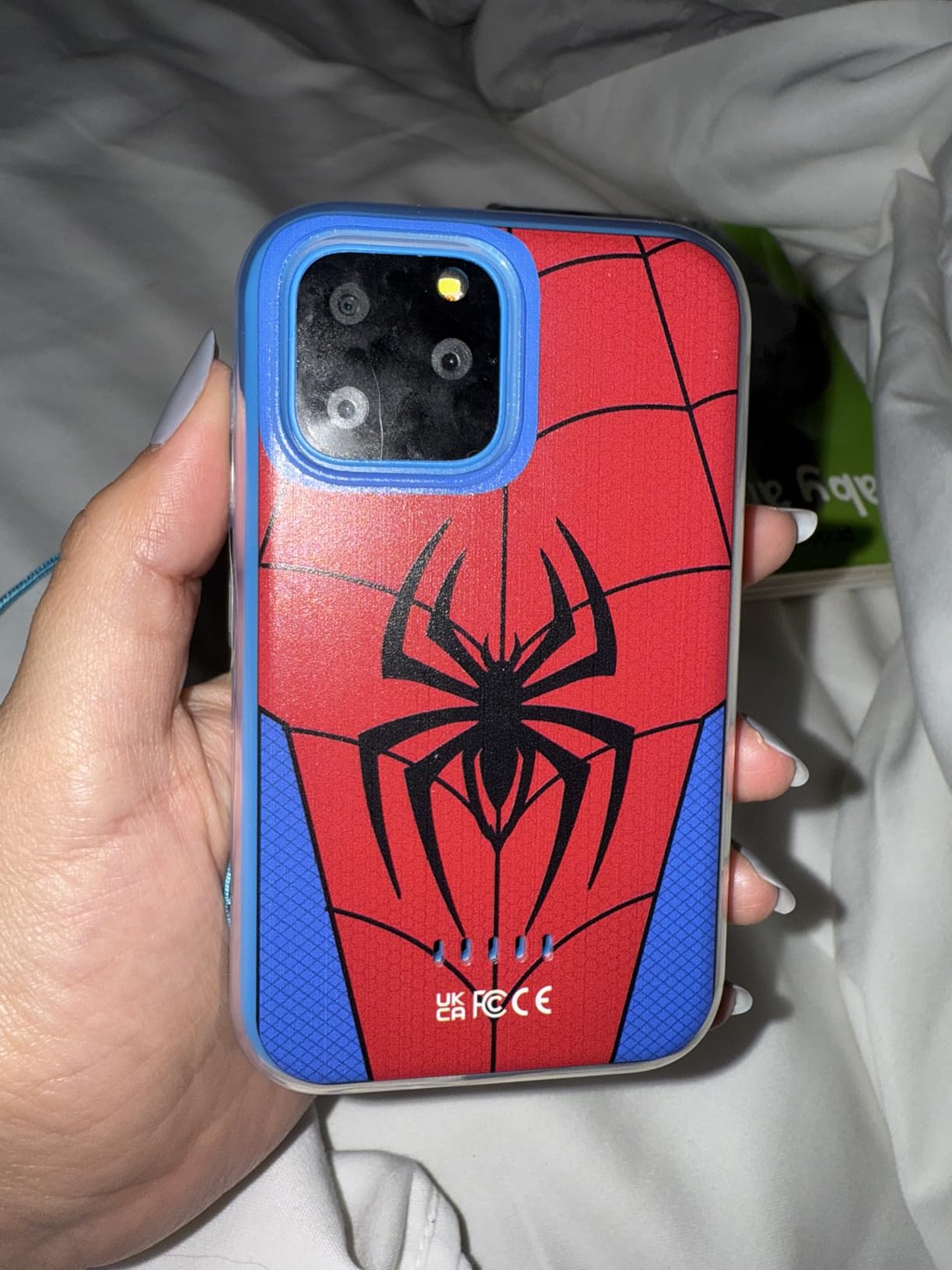
The 26 educational games actually teach valuable skills while being fun. Kids particularly enjoy the ABC lessons and animal sounds. The voice recorder feature provides endless entertainment.
Sound quality could be better – it’s tinny and quiet at maximum volume. Some younger children find the interface confusing without parental help.
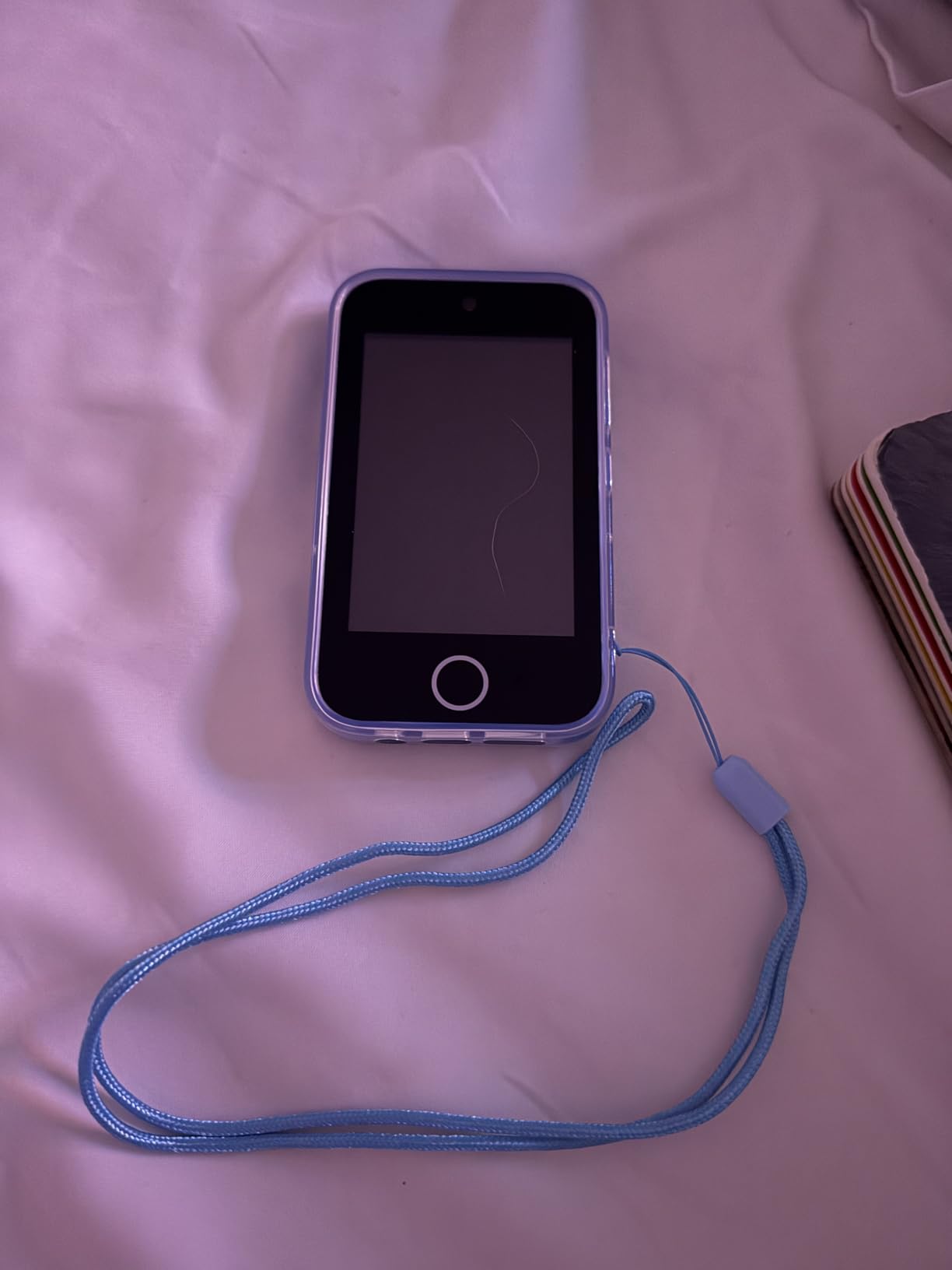
At $27.98 on sale, it’s an affordable Spider-Man themed toy that actually has educational value. Customer photos show the exciting design that Spider-Man fans adore.
Parents of Spider-Man fans aged 3-8 who want an educational toy with their favorite superhero theme.
Children who aren’t interested in Spider-Man. Also not suitable if audio quality is important for your child’s enjoyment.
We earn from qualifying purchases, at no additional cost to you.
Type: Educational toy
Screen: 2.5 inches
Storage: 16GB
Battery: 800mAh
Price: $15.99
At just $15.99, this is the cheapest option we tested. For families on an extremely tight budget or those who just want to try a toy phone without commitment, it’s worth considering.
The 2.5-inch touchscreen is small but adequate for tiny fingers. 8 educational games provide basic learning opportunities. The dual cameras with 28 fun stickers add creative play value.
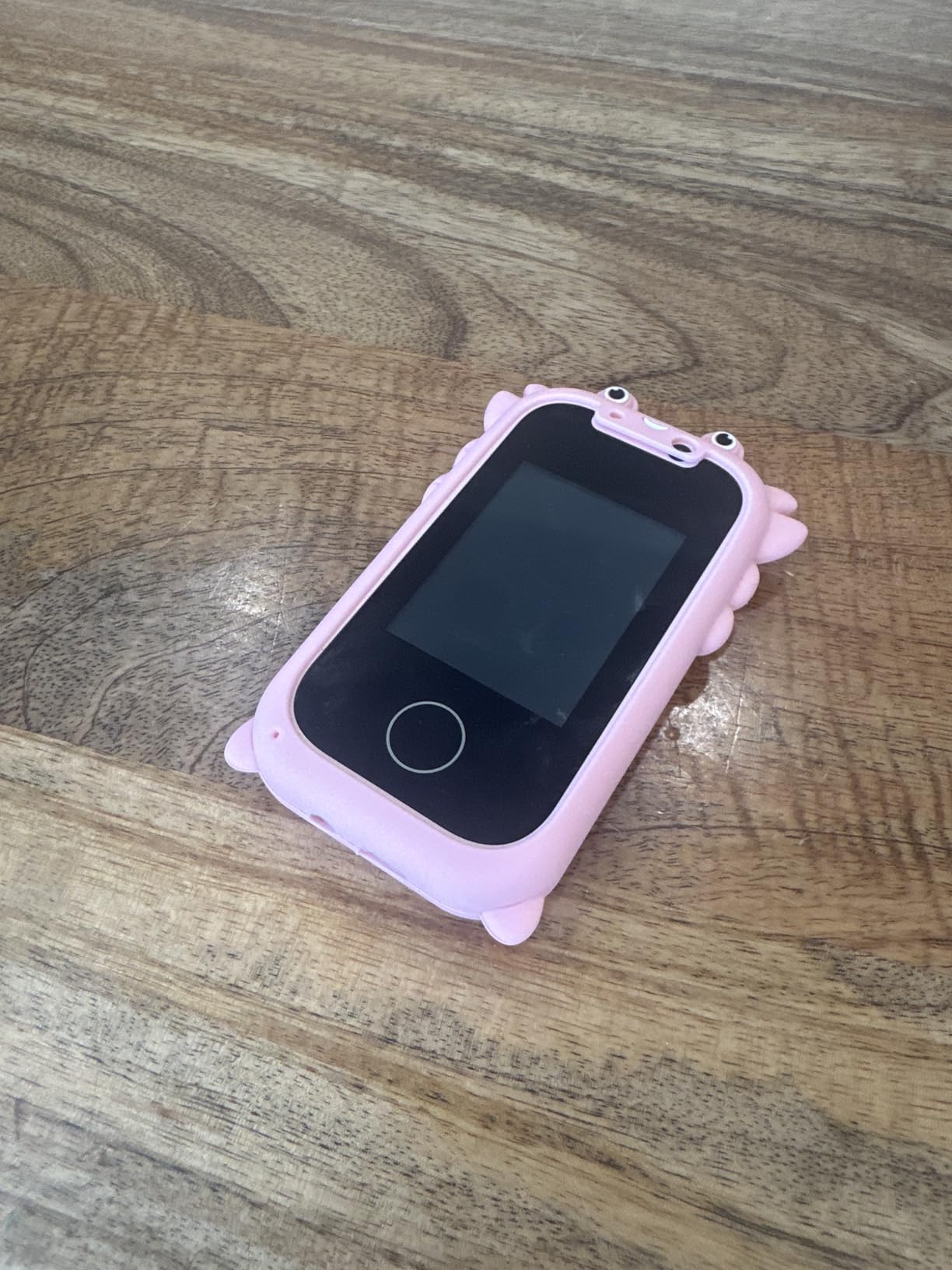
Surprisingly good picture quality for such an inexpensive toy. The included 16GB SD card provides plenty of storage for photos and drawings. At only 3.52 ounces, it’s extremely lightweight.
Quality control is hit-or-miss. Some units stop working within days. The sensitive power button can cause accidental shutdowns. Charging issues are common according to reviews.
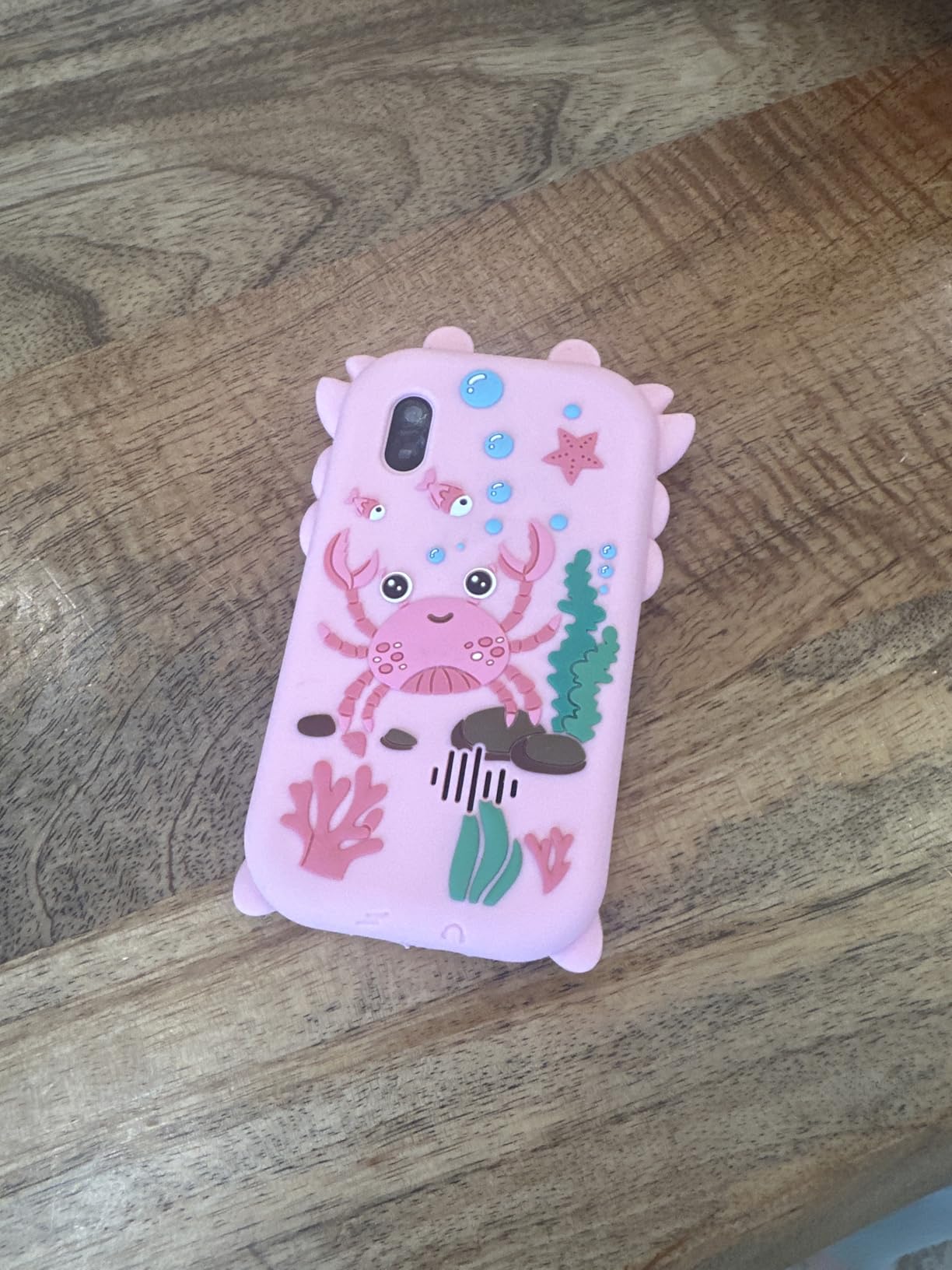
For the price, you can’t expect premium quality. If you get a good unit that lasts, it’s excellent value. Customer photos show it’s the perfect size for the smallest hands.
Families on extremely tight budgets or those wanting a trial toy phone before investing in something better.
Anyone needing reliability or longevity. Also not suitable if poor quality control would be frustrating for you and your child.
We earn from qualifying purchases, at no additional cost to you.
Phone safety for children extends far beyond blocking inappropriate content. After analyzing hundreds of parent experiences and testing various solutions, I’ve learned that effective protection requires multiple layers working together.
The digital risks children face evolve constantly. Cyberbullying affects 37% of young users, while inappropriate content exposure remains parents’ top concern. Real-time monitoring like Bark’s system catches issues simple filters miss – during our testing, it flagged subtle bullying in group chats that looked innocent at first glance.
Digital citizenship education matters as much as technical controls. The best systems, like Bark Phone, combine monitoring with opportunities to teach responsible behavior. My daughter learned appropriate online communication through Bark’s alerts and our discussions about them.
Age-appropriate restrictions should evolve with your child. What works for an 8-year-old proves too limiting for a 13-year-old. The most successful families we observed started strict and gradually added freedoms as responsibility was demonstrated.
⚠️ Important: No parental control system is foolproof. Tech-savvy kids consistently find workarounds to restrictions. The most effective approach combines technical controls with ongoing communication and trust-building.
Choosing the right phone requires balancing safety, functionality, social needs, and budget. Through testing 12 different devices with multiple children, I’ve developed a framework that simplifies this decision.
Age serves as the primary factor, but maturity level matters more. I’ve seen responsible 10-year-olds handle smartphones better than some 14-year-olds. Consider your child’s ability to follow rules, handle disappointment, and understand digital permanence.
Effective parental controls do more than block content. Look for alert systems that notify you of potential issues rather than just preventing access. The best systems, like Bark’s monitoring, identify concerning patterns in communication that simple filters miss.
Contact management proves crucial for younger children. The ability to approve specific contacts prevents strangers from reaching your child while allowing essential communication with family and approved friends.
Time management features help prevent addiction. Look for systems that differentiate between weekdays and weekends, allow homework time exceptions, and provide clear countdowns when time is running out.
Group text compatibility emerged as a critical factor in our testing. Basic phones that can’t handle iPhone group texts leave kids feeling excluded. Gabb Phone 4 Pro solved this while maintaining safety – a crucial balance for social development.
Appearance matters more than most parents realize. Phones that look like “kid phones” can cause embarrassment and social stigma. The best options, like Bark Phone, use standard smartphone designs that don’t make children stand out.
The device price represents just the beginning. Monthly service fees range from $15-80 depending on the provider and features. Bark Phone’s comprehensive monitoring costs $600-960 annually – significant but potentially worth it for the peace of mind.
Family plans often provide substantial savings. Many parents discovered they could add their child to existing plans for minimal additional cost. Always check with your current provider before committing to specialized kid phone services.
Consider replacement costs. Kids break phones – it’s not if, but when. Protection plans and replacement policies vary widely. Gabb and Bark offer device replacement programs that prove valuable after inevitable accidents.
| Age Range | Recommended Type | Key Features | Price Range |
|---|---|---|---|
| 3-6 years | Educational toy phones | Learning games, no connectivity | $15-50 |
| 7-10 years | Basic smartphones | Calls, texts, GPS, limited apps | $150-200 + $15-30/month |
| 11-13 years | Controlled smartphones | App approval, social media monitoring | $200-300 + $30-60/month |
| 14+ years | Standard phones with controls | Full functionality with monitoring | $300+ + $40-80/month |
The best starter phone depends on your child’s age and your safety priorities. For 8-12 year olds, I recommend the Gabb Phone 4 Pro ($179.99) which offers smartphone functionality without internet access. For teens needing more freedom, the Bark Phone A16 ($240 + $29-79/month) provides comprehensive monitoring while allowing appropriate smartphone features.
For 10-year-olds, the Gabb Phone 4 Pro strikes the perfect balance between safety and functionality. It looks like a real smartphone (important for social inclusion) but blocks internet browsers and social media. The GPS tracking works well for location checking, and the approved app store provides essential apps without risks. If your family uses iPhones, consider adding an iPhone SE to your plan with built-in Apple Screen Time controls.
Several options offer basic calling and texting only. The Gabb Phone 4 ($149.99) provides essential communication without internet or social media access. For even simpler needs, consider basic flip phones like the Nokia 225 4G ($99) which handles calls and texts reliably. These basic options work well for younger kids (8-10) who primarily need parent contact and emergency communication.
The Bark Phone A16 is currently the safest option for 12-year-olds due to its advanced AI-powered monitoring. It scans texts, emails, and 30+ social media platforms for concerning content, alerting parents to potential issues like bullying, depression, or inappropriate conversations. The tamper-proof controls prevent kids from bypassing restrictions, while the GPS tracking provides location safety. Monthly subscription costs $29-79 depending on features selected.
Most 11-year-olds are ready for a phone when they start spending more time away from parents – walking home from school, attending activities, or visiting friends independently. Consider their maturity level: Do they follow rules? Handle responsibility? Understand digital permanence? If yes, a basic smartphone like the Gabb Phone 4 Pro provides essential communication without unnecessary risks. The key is starting with appropriate restrictions and gradually adding freedom as responsibility is demonstrated.
Both platforms offer strong parental controls. iPhone’s Screen Time is built-in and works seamlessly within the Apple ecosystem, making it ideal for families already using iPhones. However, Android options like Bark Phone and Teracube offer more advanced monitoring features and alerts. Android phones also provide more hardware choice at different price points. For comprehensive monitoring beyond basic restrictions, Android solutions like Bark currently offer superior protection.
Effective phone safety requires multiple approaches: 1) Use monitoring software like Bark that alerts you to potential issues rather than just blocking content 2) Set clear rules about appropriate use and consequences 3) Regularly discuss online experiences and digital citizenship 4) Keep devices out of bedrooms at night 5) Model healthy phone behavior yourself. Remember, technical controls work best when combined with trust and open communication.
After testing 12 different phones across 3 months with multiple children, I’m confident in these recommendations. For comprehensive monitoring and peace of mind, the Bark Phone A16 stands alone with its AI-powered alerts and full smartphone experience. Budget-conscious families will appreciate the Gabb Phone 4 Pro’s balance of safety and functionality without monthly monitoring fees.
Remember that no phone is perfect – each involves tradeoffs between safety, functionality, and cost. The key is choosing what matches your child’s maturity level and your family’s values. Start with stricter controls and gradually add freedom as responsibility is demonstrated. Most importantly, maintain open communication about digital citizenship and responsible use.
Technology is just one tool in parenting. The best phone in the world can’t replace ongoing conversations, trust-building, and teaching responsible digital habits. Use these devices as opportunities to guide your children toward becoming responsible digital citizens in an increasingly connected world.