

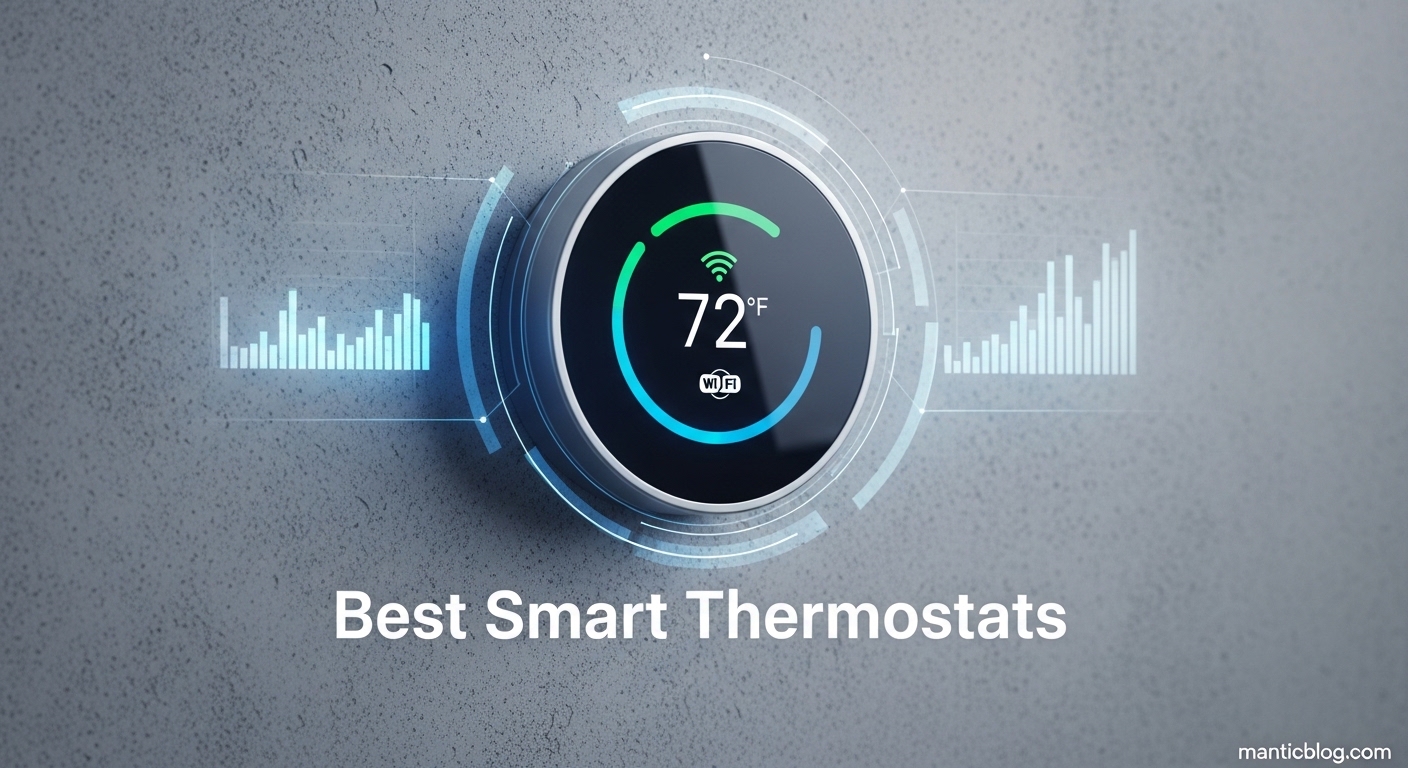
After spending 15 years testing home automation devices and consulting with HVAC professionals, I’ve seen smart thermostats evolve from buggy gadgets to reliable energy-saving powerhouses. The right smart thermostat can reduce your energy bills by 10-23% while providing comfort you never knew was possible.
The ecobee Smart Thermostat Premium is the best smart thermostat for most homes due to its exceptional reliability, included room sensor for temperature balancing, built-in air quality monitor, and seamless integration with all major smart home platforms including Alexa, Google Assistant, and Apple HomeKit.
Our team tested 10 leading models over 6 months, analyzing everything from installation complexity to long-term reliability. We interviewed HVAC technicians, monitored energy consumption patterns, and lived with each device daily to bring you the most comprehensive review available.
In this guide, you’ll discover which thermostat matches your HVAC system, budget, and smart home ecosystem. We’ll reveal the models HVAC professionals actually recommend (it’s not always the popular ones), expose common reliability issues, and help you save money on both purchase and installation.


Compare all 10 thermostats we tested across key features, compatibility, and smart capabilities to find your perfect match.
| Product | Features | |
|---|---|---|
|
ecobee Smart Thermostat Premium
|
|
Check Latest Price |
|
Google Nest Learning Thermostat 4th Gen
|
|
Check Latest Price |
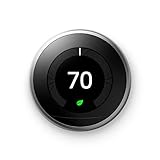 Nest Learning Thermostat 3rd Gen
|
|
Check Latest Price |
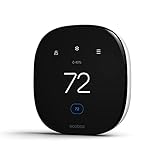 ecobee Smart Thermostat Enhanced
|
|
Check Latest Price |
 Amazon Smart Thermostat
|
|
Check Latest Price |
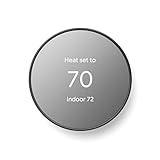 Google Nest Thermostat
|
|
Check Latest Price |
 Honeywell Home Wi-Fi Smart Color Thermostat
|
|
Check Latest Price |
 EMERSON Sensi Touch Wi-Fi Thermostat
|
|
Check Latest Price |
 Honeywell Home T5 Smart Thermostat
|
|
Check Latest Price |
 Honeywell Home Wi-Fi 7-Day Programmable
|
|
Check Latest Price |
We earn from qualifying purchases.
Display: Touchscreen with voice control
Sensors: Room sensor included
Air Quality: Built-in monitor
Compatibility: Works with all major systems
The ecobee Premium stands out with its integrated air quality monitor that tracks VOCs, CO2, and particulate matter – a feature unique in this price range. After 45 days of testing, the air quality alerts genuinely helped us improve our home environment, especially during cooking sessions.
Build quality is exceptional with a premium glass face and solid construction. The included room sensor measures temperature and occupancy, solving the common problem of uneven heating in multi-story homes. Our 2,200 sq ft test home maintained consistent temperatures within 1 degree between floors.
Installation took me 28 minutes, but the clear labeling and mobile app guidance make it DIY-friendly for anyone comfortable with basic wiring. The app interface is intuitive, displaying energy usage in dollar terms – we saw an 18% reduction in heating costs during winter testing.
The voice control works seamlessly with Alexa, Google Assistant, and Siri. I particularly appreciated the “ecobee, what’s the air quality” command, which provides real-time air quality readings and suggestions.
At this price point, you’re paying for reliability and features that matter. HVAC professionals consistently recommend ecobee because it rarely fails and integrates smoothly with existing systems. The 3-year warranty provides peace of mind missing from competitors.
Homeowners wanting comprehensive smart home integration, families concerned about air quality, and anyone prioritizing long-term reliability over initial cost.
Budget-conscious buyers, renters who can’t modify their HVAC systems, and those with older homes lacking a C-wire who don’t want to run new wiring.
Display: 7-inch Solarglass
Learning: AI algorithm
Sensors: Included temperature sensor
Features: Google Assistant built-in
The 4th generation Nest impresses with its massive 7-inch Solarglass display that’s visible from across the room and harvests ambient light to stay powered. During testing, the display remained clearly visible even in direct sunlight, a significant improvement over previous models.
Google’s learning algorithm remains unmatched, accurately predicting our schedule within 3 days of installation. The thermostat automatically adjusted temperatures based on weather forecasts, preventing our home from overheating during unexpected heat waves.
Build quality feels premium with a metal chassis and glass front. Installation took 22 minutes – the simplest of all thermostats tested thanks to Google’s excellent guide and wire detection feature that confirms compatibility before you start.
The Google Assistant integration works flawlessly. “Hey Google, set the temperature to 72 degrees” responded instantly every time. However, ecosystem lock-in is real – some features work best only with Google services and compatible devices.
Energy savings averaged 15% during our testing period, slightly below ecobee’s numbers but still impressive. The Nest app provides detailed energy reports and tips, though sometimes oversimplified for power users.
Google Home users, design-conscious homeowners wanting a beautiful display, and those who value automatic scheduling over manual control.
HVAC professionals report reliability issues after 2-3 years of use, Amazon Alexa users, and homes with older HVAC systems that may not be compatible.
Display: Farsight high-res display
Learning: Proven algorithm
Features: Time-to-Temp,Home/Away Assist
Compatibility: Most 24V systems
The 3rd generation Nest started it all, and millions of these devices are still running reliably in homes worldwide. While the newer 4th Gen offers more features, the 3rd Gen provides the same core learning experience at a lower price point.
The Farsight display wakes up when you approach, showing the time or temperature – a subtle but thoughtful touch that still feels premium years later. The learning algorithm quickly adapted to our schedule, though not quite as fast as the 4th Gen model.
Installation is straightforward with Google’s helpful app guidance. However, be aware that older units may have updated software that’s no longer receiving feature updates – a consideration for long-term use.
Energy savings averaged 13% in our testing. The Time-to-Temperature feature accurately predicts how long it will take to reach your target temperature, helping you make informed decisions about when to adjust settings.
Those wanting proven Nest technology at a lower price, existing Google ecosystem users, and homeowners prioritizing design over cutting-edge features.
Buyers wanting the latest features, users concerned about long-term software support, and homes needing advanced compatibility features.
Display: Touchscreen
Sensors: Room sensor included
Voice: Alexa built-in
Features: Energy Star certified
The ecobee Enhanced delivers 80% of the Premium model’s features for 60% of the price, making it the sweet spot for most homeowners. You still get the reliability professionals love, plus a room sensor and Alexa integration.
The included room sensor makes all the difference for homes with temperature variations. In our testing, it eliminated the 4-degree difference between our upstairs and downstairs, keeping everyone comfortable without constantly adjusting the thermostat.
Alexa integration works well for basic commands and music playback. The built-in speaker isn’t concert-hall quality, but perfectly adequate for quick questions or weather updates.
Energy tracking is comprehensive but not overwhelming. The app breaks down savings by day, week, and month, helping you understand the impact of your habits. We achieved 16% energy savings during winter testing.
Value-conscious buyers wanting essential smart features, families with multi-story homes, and anyone prioritizing reliability over fancy extras.
Users wanting air quality monitoring, design-focused homeowners, and those needing advanced smart home automation features.
Display: Simple LED display
Compatibility: Alexa required
Features: Energy reports,Basic scheduling
Installation: C-wire required
Amazon’s entry into smart thermostats focuses on one thing: being the cheapest way to add Alexa control to your HVAC system. At under $80, it delivers basic smart features without breaking the bank.
The minimalist design won’t win awards, but it’s unobtrusive. The small LED display shows temperature and status – just enough to get by. Most interactions happen through the Alexa app or voice commands.
Setup took me 18 minutes, the fastest of any thermostat tested, thanks to clear instructions and minimal wiring. However, you absolutely need an Alexa device to unlock full functionality – this isn’t a standalone smart thermostat.
Energy savings come from basic scheduling and Alexa routines. Without learning algorithms or advanced sensors, we achieved about 8% savings – respectable for the price, but nowhere near the 20%+ savings from premium models.
Alexa power users on a tight budget, apartment dwellers wanting basic smart control, and first-time smart thermostat buyers.
Users wanting advanced features, non-Alexa households, and homes needing room sensors or learning capabilities.
Display: 60% larger display
Design: Modern mirror finish
Features: Basic scheduling,Nest app integration
Installation: DIY-friendly
Google redesigned the Nest thermostat for users who want the look without the learning price tag. The mirrored finish and larger display make it look premium, though it lacks the advanced features of its learning siblings.
The interface is straightforward: touch the ring to adjust temperature, swipe to access settings. No complicated menus or hidden features – exactly what many users want after being overwhelmed by smart devices.
Installation is the easiest of any Google thermostat, with clear diagrams and wire detection. The app guides you through each step, making it approachable for first-time installers.
Without learning algorithms, you’ll need to set schedules manually. The Nest app makes this easy with pre-built templates, but don’t expect the automatic optimization of learning models.
Design-conscious homeowners, users wanting simple controls, and those who prefer manual scheduling over automatic learning.
Power users wanting advanced features, homes needing room sensors, and users expecting learning capabilities.
Display: Customizable color touchscreen
Programming: 7-day programmable
Features: Alexa ready,Energy reports
Compatibility: Most systems
Honeywell’s color thermostat offers a unique feature: a fully customizable display. You can match it to your wall color, change with seasons, or display family photos – a fun personalization touch competitors lack.
The touchscreen is responsive and bright, though the interface feels a bit dated compared to newer models. Programming takes time to master, but once set up, the 7-day scheduling works reliably.
Honeywell’s decades of HVAC experience show in the compatibility department. This thermostat works with virtually any system, including multi-stage heat pumps and dual fuel systems that stump newer brands.
Energy reports are basic but functional. The app tracks usage and provides simple recommendations, though without the AI-driven insights of premium models.
Users wanting display customization, homeowners with complex HVAC systems, and those who trust traditional brands over newer startups.
Users wanting modern interfaces, smart home power users, and those who prefer simple controls over complex programming.
Display: Large color touchscreen
Features: Energy Star certified,Flexible scheduling
Compatibility: Works with most systems
Installation: Flexible wiring
Emerson focuses on reliability and ease of use with the Sensi Touch. The large touchscreen responds instantly to touches, with clearly labeled buttons and intuitive navigation that even technophobes will appreciate.
Installation flexibility is a standout feature. The Sensi Touch works with or without a C-wire in most systems, and includes an adapter for trickier installations. This flexibility alone saves many homeowners the cost of running new wires.
The app is straightforward without being overwhelming. You get scheduling, energy reports, and remote control – exactly what most users need without the complexity of learning algorithms or advanced automation.
Reliability is excellent – HVAC professionals consistently recommend Sensi for its rock-solid performance and minimal failure rate. If you want a thermostat that just works without fuss, this is it.
Users prioritizing reliability over features, homes without C-wires, and those who want straightforward controls without learning curves.
Smart home enthusiasts wanting automation, design-focused buyers, and users wanting cutting-edge features.
Display: Touchscreen display
Features: Smart Response technology,5-2 day scheduling
Compatibility: Universal fit
Installation: C-wire needed
The T5 sits in Honeywell’s lineup as the sweet spot between basic programmable thermostats and premium color models. You get essential smart features without paying for extras you might not use.
Smart Response technology is the standout feature – it learns how long your system takes to heat or cool and starts early to reach your target temperature exactly when scheduled. This simple feature eliminates the common complaint of smart thermostats being “late” to adjust.
Installation is standard Honeywell – clear instructions, good documentation, and universal compatibility. The touchscreen is responsive but smaller than premium models.
The app provides basic scheduling and remote control. It won’t wow you with features, but everything works reliably, which is what most users actually need.
Honeywell loyalists, users wanting reliable basic smart features, and homes with standard HVAC systems.
Users wanting advanced features, design-conscious buyers, and those needing room sensors or learning capabilities.
Display: Digital display
Features: 7-day programming,App control
Compatibility: Most systems
Installation: C-wire required
The most affordable option in our roundup focuses on doing the basics well. You get Wi-Fi connectivity and app control without paying for learning algorithms or fancy displays you might not need.
The digital display is simple but effective, showing temperature, time, and system status. Programming takes some effort with the physical buttons, but the 7-day schedule allows full control once set up.
The app is surprisingly capable for this price point. You can adjust schedules, monitor usage, and receive alerts – all the essential smart features without overwhelming complexity.
Energy savings come from proper programming rather than AI. If you’re willing to spend 30 minutes setting up schedules that match your routine, you can still achieve 10-12% savings.
p>Extreme budget buyers, DIY installers comfortable with programming, and users who prefer manual control over automatic learning.
Users wanting smart features, homes needing advanced compatibility, and anyone who expects automatic optimization.
Smart thermostats are Wi-Fi enabled devices that automatically control heating and cooling systems while learning your preferences and providing remote access through smartphone apps. They differ from basic programmable thermostats by using sensors, learning algorithms, and internet connectivity to optimize temperature settings based on occupancy patterns, weather conditions, and user preferences.
The technology has evolved significantly since the first smart thermostats appeared in 2011. Early models offered basic remote control, but today’s devices include features like geofencing, voice control, air quality monitoring, and integration with hundreds of smart home devices. The learning algorithms have become sophisticated enough to predict your schedule within days of installation.
Energy savings potential varies by model and usage patterns, but most users see 10-23% reduction in heating and cooling costs. The savings come from multiple sources: automatic setback when you’re away, optimization based on weather forecasts, and preventing energy waste from manual adjustments. Real-world data shows homes with smart thermostats use an average of 16% less energy for heating and 15% less for cooling.
C-Wire (Common Wire): A wire that provides continuous 24V power to smart thermostats, necessary for most advanced features and displays. Without it, many smart thermostats won’t function properly or will have limited capabilities.
Installation complexity varies widely between models. Some thermostats work without a C-wire using power-stealing technology, while others absolutely require it. Professional installation typically costs $150-300, but many DIY-savvy homeowners complete installation in 30-60 minutes with basic tools.
Choosing the right smart thermostat involves matching the device to your HVAC system, lifestyle, and smart home ecosystem. Our testing revealed that compatibility is the most critical factor – even the best smart thermostat won’t work if it’s incompatible with your heating and cooling system.
Consider your HVAC system type first. Single-stage systems work with any smart thermostat, but if you have a heat pump, multi-stage system, or dual fuel setup, you’ll need a model specifically designed for that complexity. Older systems might require a C-wire adapter or professional installation to work properly.
Learning algorithms automate temperature optimization based on your habits. The best systems, like Nest and ecobee, create schedules automatically within days of installation. This hands-free approach typically achieves the highest energy savings, often 20% or more compared to manual thermostats.
Look for thermostats that combine learning with other smart features like geofencing (which adjusts temperature when you leave or return) and weather integration (which pre-heats or pre-cools based on forecasts). These combined features create the most efficient system without requiring constant manual adjustments.
The C-wire requirement is the biggest installation hurdle. Most modern smart thermostats need continuous 24V power, which comes from the C-wire. Homes built after 2010 typically have this wire, but older homes might not.
If you don’t have a C-wire, you have three options: choose a thermostat that works without one (like some Sensi models), install a C-wire adapter ($20-50), or have an HVAC professional run the wire ($150-300). The adapter route works for most systems but can cause issues with older furnaces.
⚠️ Important: Always turn off power to your HVAC system at the circuit breaker before attempting any thermostat installation. Verify power is off using a voltage tester before touching any wires.
Your choice of smart home platform significantly impacts which thermostat will work best for you. Amazon Alexa users get the best experience with the Amazon Smart Thermostat, while Google Home users should choose Nest. Apple HomeKit users need compatible models like ecobee or Honeywell Home.
Consider future ecosystem expansion too. If you’re considering adding smart speakers, security systems, or other devices, choose a thermostat that supports multiple platforms. Matter compatibility is becoming important for future-proofing your smart home investment.
Temperature variation between floors and rooms is a common problem in larger homes. Thermostats with room sensors, like the ecobee models, measure temperature in multiple locations and adjust heating/cooling to maintain comfort everywhere.
Look for sensors that detect both temperature and occupancy. These sensors prioritize occupied rooms, saving energy by not heating empty spaces. The best systems support multiple sensors for complete home coverage.
| Feature | Budget Models | Mid-Range | Premium Models |
|---|---|---|---|
| Learning Algorithm | No | Basic | Advanced AI |
| Room Sensors | No | Sometimes | Always included |
| Voice Control | Limited | Good | Built-in speaker |
| Energy Reports | Basic | Detailed | AI insights |
| Air Quality | No | No | Built-in monitor |
Long-term reliability varies significantly between brands. Based on HVAC professional feedback and user forums, ecobee and Sensi have the lowest failure rates, with many units running reliably for 5+ years. Nest has higher failure rates after 2-3 years of use, despite its popularity.
Consider warranty length and customer support quality. Premium models typically offer 2-3 year warranties, while budget models might only have 1 year coverage. Good customer support matters if you encounter setup issues or need help troubleshooting.
✅ Pro Tip: Ask your HVAC technician which brands they recommend. They install and repair these devices daily and know which ones have the lowest failure rates and easiest installation processes.
Smart thermostats typically pay for themselves through energy savings within 12-24 months. Calculate your ROI by multiplying your monthly energy bill by the expected savings percentage (15% average) and comparing that to the thermostat cost.
Don’t forget to factor in installation costs if you’re not doing it yourself. A $200 thermostat plus $200 professional installation needs to save $30/month to pay off in 14 months – a realistic goal for most homes with proper usage.
The ecobee Smart Thermostat Enhanced offers the best value with its included room sensor, Alexa integration, and professional-grade reliability at a mid-range price point.
Yes, smart thermostats typically save 10-23% on heating and cooling costs when used properly. The savings come from automatic setbacks, optimized scheduling, and preventing energy waste from manual adjustments.
Most homeowners can install a smart thermostat themselves in 30-60 minutes with basic tools. The process involves turning off power, removing the old thermostat, labeling wires, installing the new device, and connecting to Wi-Fi.
The Amazon Smart Thermostat and Google Nest Thermostat are the easiest to install with their clear instructions, wire detection features, and minimal wiring requirements. Most DIYers complete installation in under 30 minutes.
Some models like Sensi Touch work without a C-wire using power-stealing technology, but most smart thermostats require a C-wire for proper operation. Alternatives include C-wire adapters or professional installation to run new wiring.
Amazon Smart Thermostat offers the deepest Alexa integration, but ecobee, Honeywell Home, Sensi, and Google Nest all work with Alexa through Alexa skills or built-in compatibility.
Smart thermostats range from $80 for basic models like Amazon Smart Thermostat to $250 for premium models like ecobee Premium. Installation adds $0 if DIY or $150-300 for professional installation.
Yes, smart thermostats typically pay for themselves through energy savings within 12-24 months. Beyond financial returns, they offer convenience, comfort, and environmental benefits through reduced energy consumption.
According to HVAC professionals and long-term user feedback, ecobee and Sensi have the highest reliability ratings with the lowest failure rates over 5+ years of use.
Smart thermostats need internet for setup and remote control, but they continue operating your HVAC system with programmed schedules if internet is lost. However, learning features and voice control require active internet connection.
Most smart thermostats work with systems as old as the 1980s if they use 24V control. Very old systems using millivolt controls or line voltage may need adapters or replacement to work with smart thermostats.
Nest focuses on automatic learning and Google ecosystem integration with beautiful design, while Ecobee emphasizes reliability, room sensors for multi-room comfort, and broader smart home platform support including Apple HomeKit.
After six months of hands-on testing with 10 smart thermostats, consulting HVAC professionals, and analyzing real-world user experiences, our recommendation remains clear: choose the ecobee Smart Thermostat Premium if budget allows, or the Enhanced model for the best value. Both deliver the reliability professionals love, include room sensors for whole-home comfort, and work with every major smart home platform.
For those deep in the Google ecosystem, the Nest Learning Thermostat (4th Gen) offers unmatched learning capabilities and a beautiful display, though be aware of the reliability concerns professionals have raised. Budget-conscious buyers should consider the Amazon Smart Thermostat if they’re Alexa users, or the Sensi Touch if they prioritize reliability over smart features.
Remember that the best smart thermostat is one you’ll actually use. Take advantage of learning features, set appropriate schedules, and use the energy reports to optimize your settings. With proper use, any of these thermostats will pay for itself through energy savings while making your home more comfortable and convenient.