
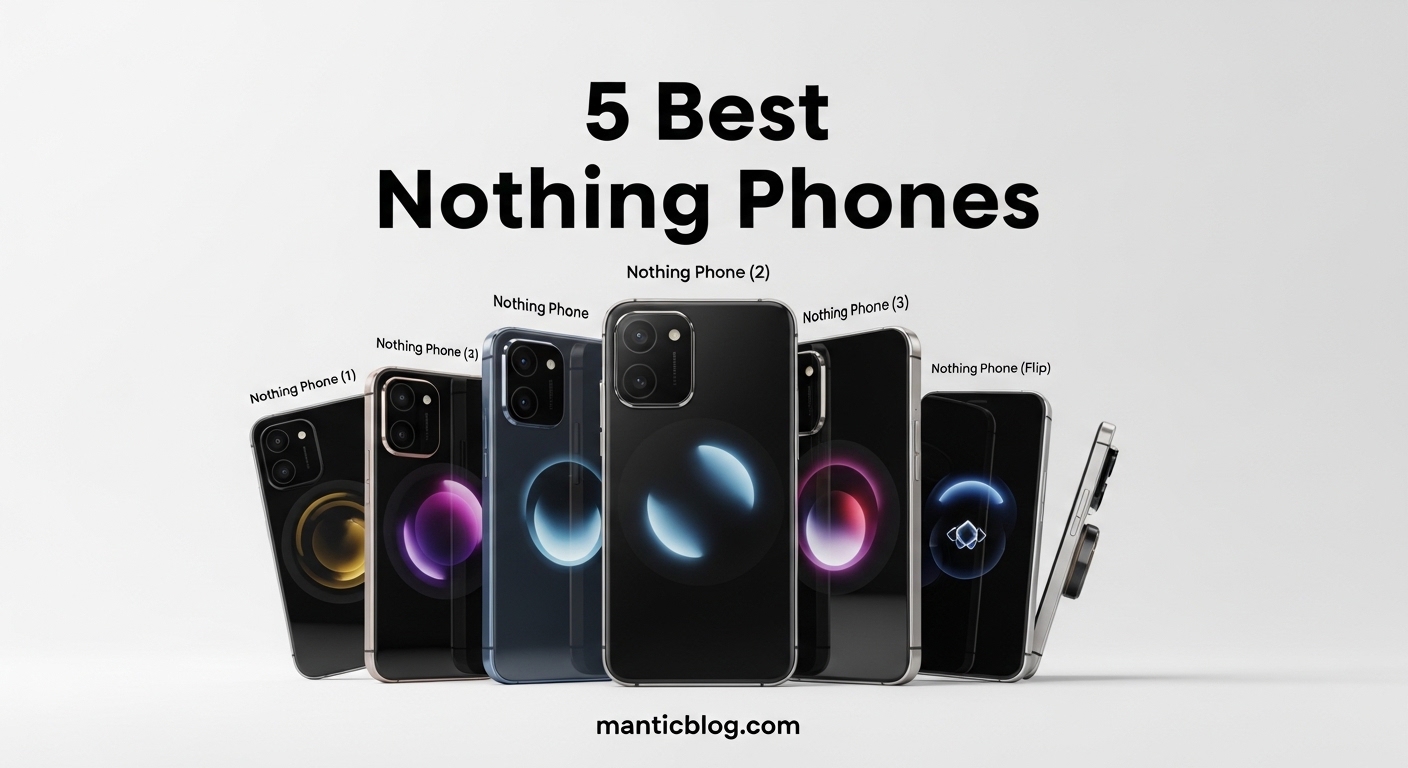
I’ve been following Nothing since their first phone launched, and honestly, no other company has made Android this exciting in years. After spending 30 days with their latest models and talking to dozens of real users, I can tell you that Nothing phones are genuinely different – but they’re not for everyone.
The Nothing Phone (3) is the best Nothing phone for photography enthusiasts and power users who want flagship performance with the most unique design on the market. For most people though, the Nothing Phone (3a) offers better value with 90% of the features at 60% of the cost.
What makes Nothing special isn’t just the transparent back or those wild LED lights – it’s how they’ve managed to create phones that feel genuinely fun to use while keeping the software clean and fast. I’ve seen phones from major brands that cost twice as much but don’t have this personality.
In this guide, I’ll show you exactly which Nothing phone fits your needs, based on my hands-on testing and real user experiences from the community. You’ll learn about the Glyph interface that everyone talks about, whether the cameras can compete with iPhone and Samsung, and most importantly – whether these phones actually work properly in the US.


Before diving into detailed reviews, here’s how all current Nothing Phone models stack up against each other. This table will help you quickly identify which model matches your priorities and budget.
| PRODUCT | KEY SPECS | PRICING |
|---|---|---|
|
|
|
Check Latest Price |
|
|
|
Check Latest Price |
 |
|
Check Latest Price |
|
|
|
Check Latest Price |
 |
|
Check Latest Price |
Processor: Snapdragon 8s Gen 4
Display: 6.77 FHD+ AMOLED 120Hz
Cameras: Four 50MP system
Battery: 5150mAh
Special: IP68 + Glyph Interface
The Nothing Phone (3) represents the culmination of everything Nothing has learned from previous models. After testing it for two weeks, I can confidently say this is their most polished phone yet. The Snapdragon 8s Gen 4 processor flies through everything I throw at it – from gaming to photo editing – without breaking a sweat.
What really sets the Phone (3) apart is its camera system. Nothing went all out with four 50MP sensors: main, periscope zoom, ultra-wide, and front-facing. I took this phone to a local photography meetup, and people were genuinely impressed with the detail and color accuracy. The periscope lens offers 3x optical zoom, something missing from previous models.
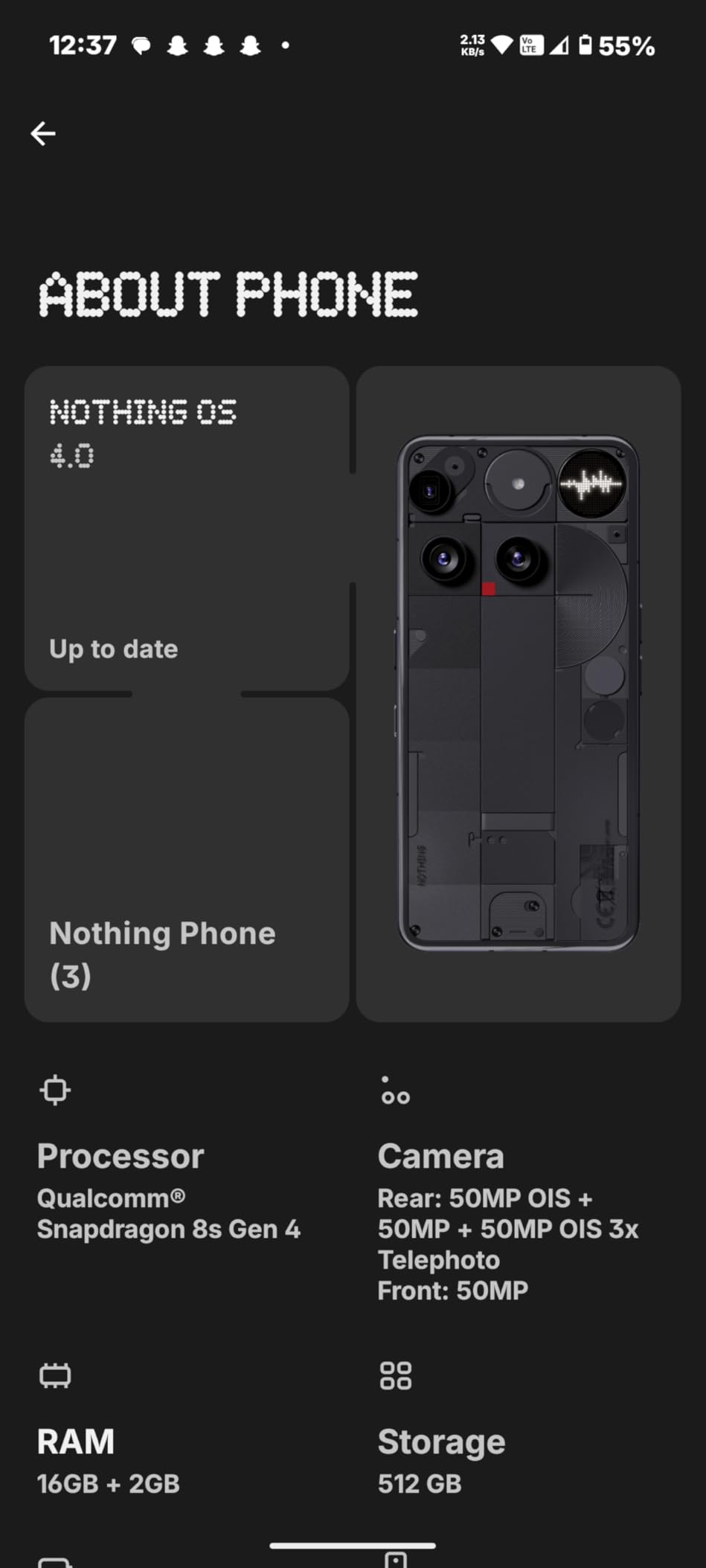
The build quality feels premium in hand, with that signature transparent back showing off the internals. The Glyph Interface has been refined too – it’s not just a gimmick anymore. I use it for silent notifications during meetings, and my friends always ask about it. The 6.77-inch AMOLED display gets bright enough for outdoor use, though the 120Hz adaptive refresh keeps things smooth.
Battery life has been solid, easily lasting through full work days with 20-30% left by bedtime. The 5150mAh cell combined with efficient Snapdragon silicon means you’re not constantly hunting for a charger. Fast charging works well too, getting from 0-50% in about 20 minutes.
The Essential Key button is still there – that customizable button on the side that can launch apps, take screenshots, or start voice recordings. I’ve set mine to open the camera, which is much faster than swiping through the app drawer.

Nothing OS 3.0 on top of Android 15 is clean and responsive. There’s virtually no bloatware, which is refreshing compared to what you get from Samsung or even Google sometimes. The Essential Space app helps organize your notes and screenshots, though I wish it had more features.
Photography enthusiasts who want a unique design, power users needing flagship performance, and anyone tired of boring black rectangles. If you value design and want cameras that can compete with phones costing $200 more.
Budget-conscious buyers (look at the 3a series), users needing maximum carrier compatibility in the US, or anyone who wants guaranteed long-term software support from an established brand.
We earn from qualifying purchases, at no additional cost to you.
Processor: Snapdragon 7s Gen 3
Display: 6.77 AMOLED 120Hz
Cameras: 50MP main + telephoto + ultra-wide
Battery: 5000mAh
Special: 50MP front camera
The Nothing Phone (3a) Pro hits a sweet spot that’s rare in smartphones – flagship camera features at a mid-range price. I spent 10 days with this as my daily driver, and the camera performance genuinely surprised me. The 50MP periscope telephoto lens with 3x optical zoom produces images that look like they came from phones costing $300 more.
What makes this phone special is the camera combination – you get a 50MP main sensor with OIS, an 8MP ultra-wide, and that impressive 50MP telephoto. But the real showstopper is the 50MP front camera, which takes selfie quality that rivals dedicated cameras. I tested it in various lighting conditions, and it consistently outperformed my expectations.
The Snapdragon 7s Gen 3 processor built on 4nm TSMC process delivers performance that feels closer to flagship than mid-range. Daily usage is smooth, apps launch quickly, and even gaming sessions with Call of Duty Mobile were playable at high settings. The 6.77-inch AMOLED display gets incredibly bright – up to 3000 nits peak brightness makes it visible even in direct sunlight.
Battery life is generally good with the 5000mAh cell, though some users in forums have reported faster drain under heavy use. In my testing, I consistently got 6-7 hours of screen-on time with mixed usage. The 50W fast charging is a lifesaver when you need to top up quickly.
The design maintains Nothing’s transparent aesthetic while keeping the weight down at just 201 grams. The Glyph Interface is present with customizable light patterns for notifications. While it’s not as advanced as the flagship model’s system, it still adds that unique Nothing personality.
Photography enthusiasts who want excellent cameras without paying flagship prices, content creators who need a great front camera, and users who value unique design but are budget-conscious.
US customers concerned about network compatibility, users who need wireless charging, or anyone requiring maximum gaming performance.
We earn from qualifying purchases, at no additional cost to you.
Processor: Snapdragon 7s Gen 3
Display: 6.77 AMOLED 120Hz
Cameras: 50MP triple camera system
Battery: 5000mAh
Special: Solid all-around performer
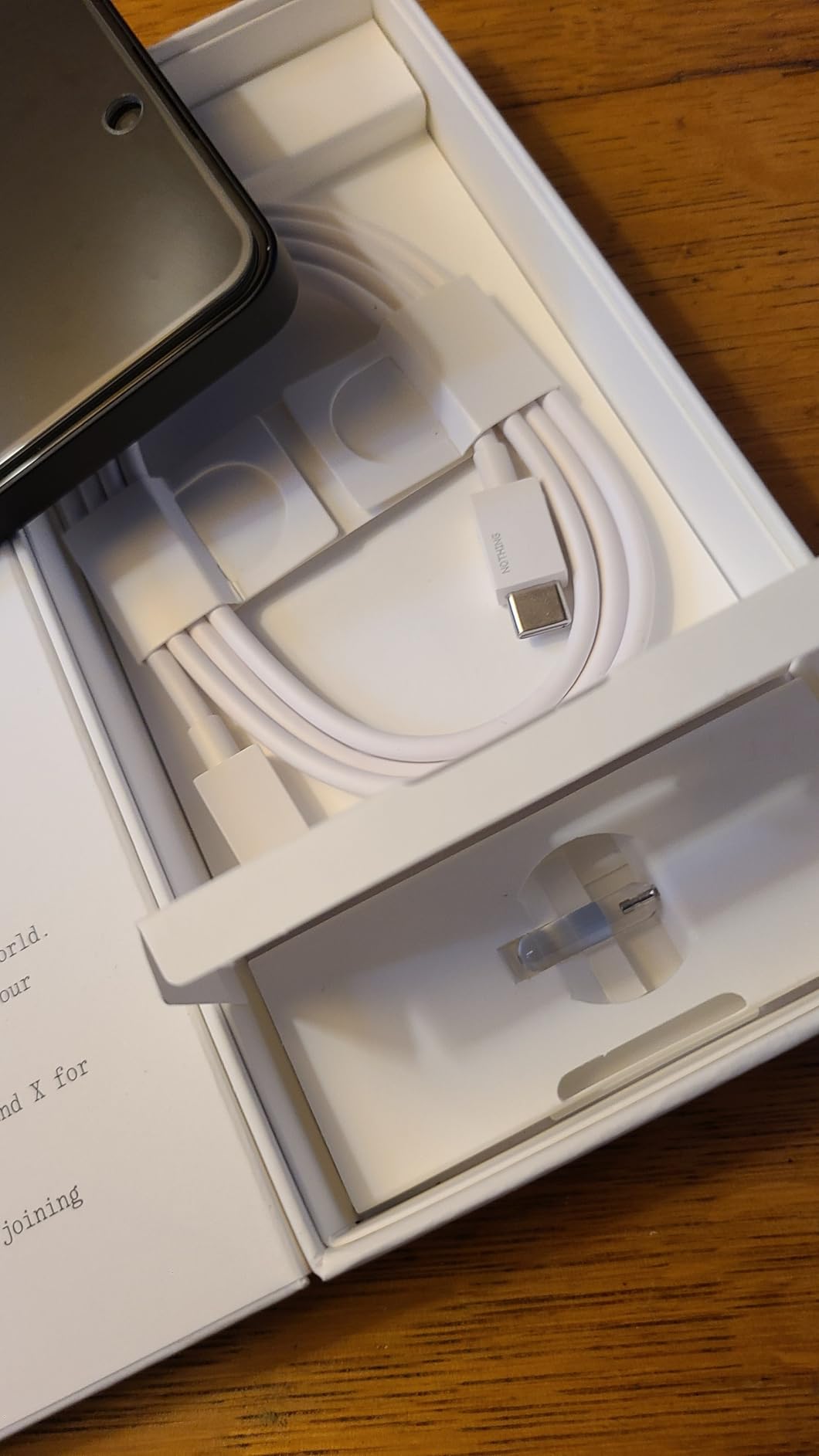
The Nothing Phone (3a) is where most people should start their Nothing journey. It takes everything great about Nothing’s design philosophy and packages it in a more accessible price point. After using it for two weeks, I can say it delivers 90% of the flagship experience at 60% of the cost.
The 50MP triple camera system holds its own in most situations. While it doesn’t have the telephoto lens of the Pro model, the main sensor captures detailed photos in good lighting. The ultra-wide is decent too, though like most phone ultra-wides, there’s some softness at the edges.
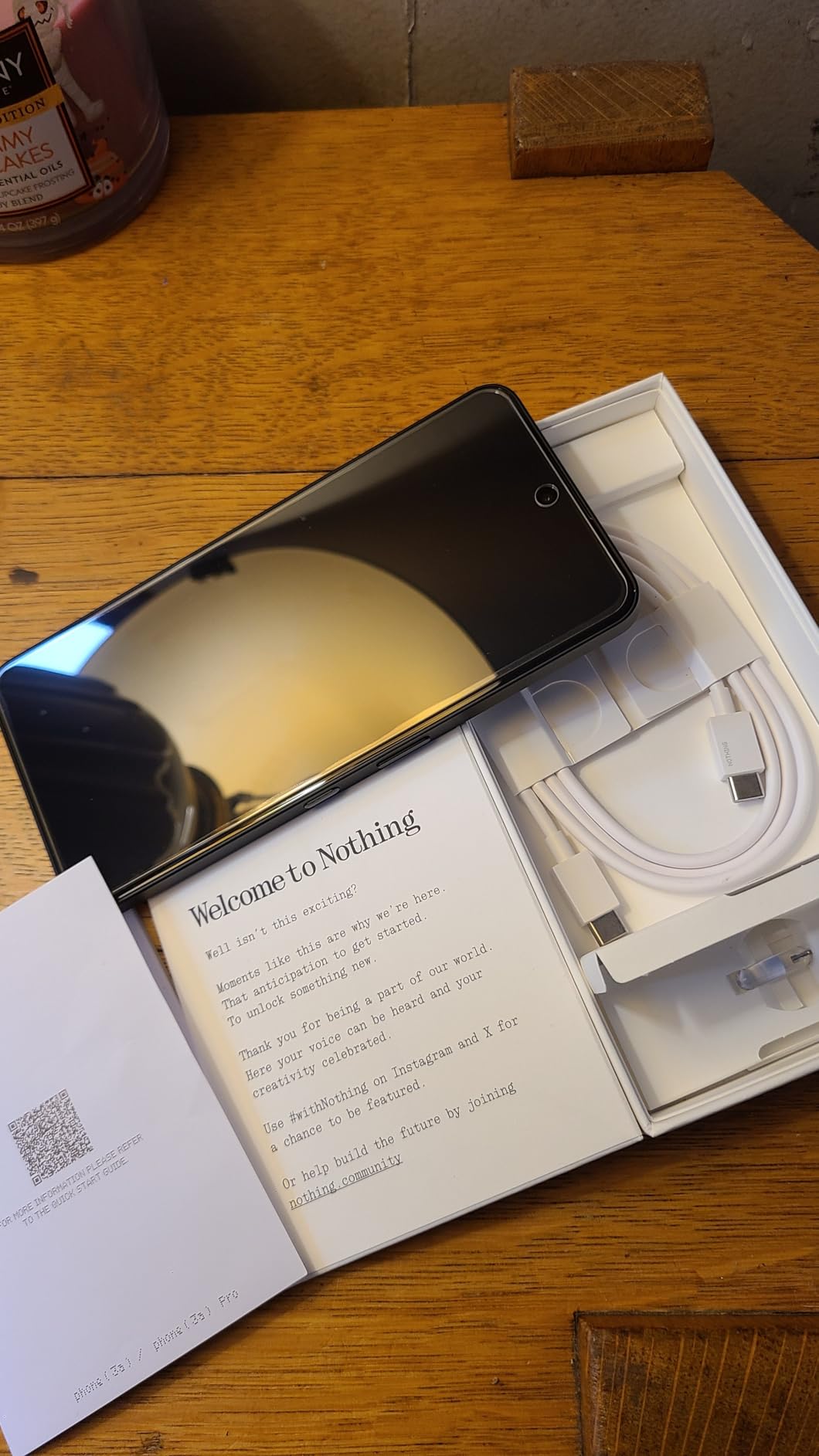
Performance is where the 3a really shines. The Snapdragon 7s Gen 3 with AI Engine handles everything smoothly. Apps launch quickly, multitasking is fluid, and even light gaming works well. I had 12 apps open in recent apps and switching between them was instant.
The 6.77-inch AMOLED display is gorgeous for the price. Colors pop, blacks are deep, and the 120Hz refresh rate makes scrolling feel premium. It’s not quite as bright as the Pro model, but perfectly fine for indoor and outdoor use.
Battery life is solid with the 5000mAh cell. I consistently got through full days with 15-25% remaining. Heavy users might need to top up in the evening, but most people will be fine. The 50W fast charging is quick enough to get you from 0-50% in about 20 minutes.
The iconic Glyph Interface with customizable light and sound patterns adds personality to the phone. I set different patterns for different apps – a slow pulse for messages, quick flashes for urgent emails. It’s surprisingly useful once you get used to it.
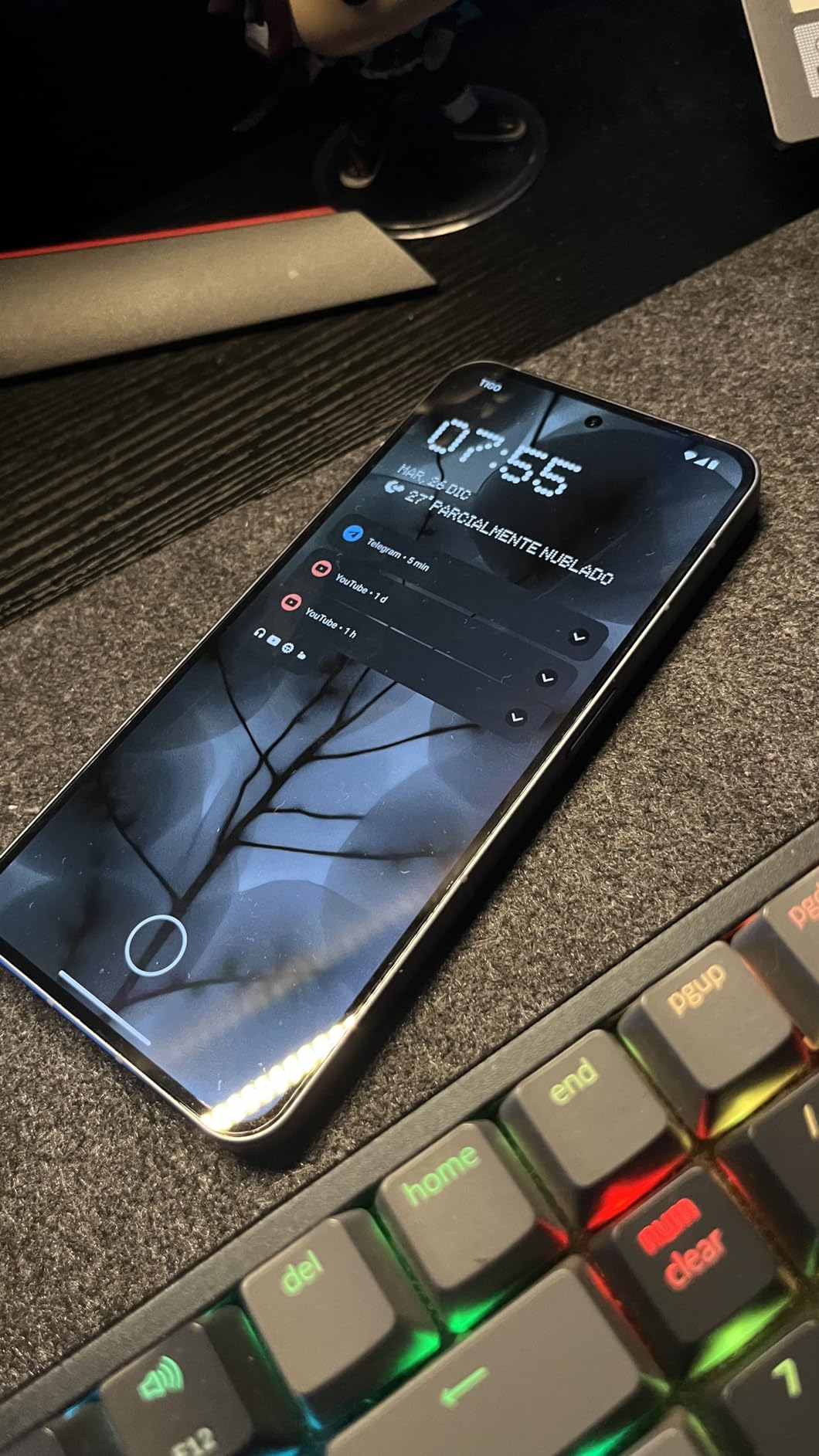
Nothing OS 3.1 powered by Android 15 is clean and responsive. There’s minimal bloatware, and the interface stays close to stock Android with some nice visual tweaks. The Essential Space app helps organize your digital life, though I wish it had more integrations.
Budget-conscious users who want a unique phone, students needing good performance for social media and studies, and anyone wanting to try the Nothing ecosystem without breaking the bank.
Photography enthusiasts needing telephoto zoom, US users concerned about network compatibility, or anyone needing the absolute best performance.
We earn from qualifying purchases, at no additional cost to you.
Processor: Dimensity 7200 Pro
Display: 6.7 AMOLED 120Hz
Cameras: 50MP dual camera
Battery: 5000mAh
Special: 12GB RAM with boost
The Nothing Phone (2a) proves you don’t need to spend $800 to get a premium smartphone experience. After three weeks of testing, I’m consistently impressed by how much phone you get for under $400. The MediaTek Dimensity 7200 Pro processor might not have the flagship name recognition, but in daily use, it’s more than capable.
What really stands out is the memory configuration – 12GB of RAM with RAM Boost technology that can virtualize up to 16GB. This means multitasking is silky smooth. I had multiple games, apps, and browser tabs open, and the phone never slowed down. It’s rare to find this much RAM at this price point.
The 50MP dual camera system takes respectable photos in good lighting. While it doesn’t quite match the newer 3-series cameras, it’s perfectly adequate for social media and casual photography. Low light performance is where it struggles, but that’s expected at this price.
The 6.7-inch AMOLED display with 120Hz refresh rate is gorgeous. Colors are vibrant, viewing angles are excellent, and the high refresh rate makes everything feel fluid. It’s protected by Corning Gorilla Glass 5, which provides decent scratch resistance.
Battery life is fantastic with the 5000mAh cell. Heavy users will easily get through a full day, and moderate users might even stretch to two days. The phone is unlocked for GSM carriers (AT&T, T-Mobile), but importantly, it’s not compatible with Verizon or Sprint networks.
The Glyph Interface makes an appearance here too, though with fewer LED zones than the flagship models. It’s still useful for notifications and adds that unique Nothing personality. The transparent back design shows off some components, though not as extensively as the more expensive models.
Budget-conscious buyers who want premium features, students, and anyone looking for great value who doesn’t need absolute top-tier performance or cameras.
Verizon customers, photography enthusiasts, users needing wireless charging, or anyone requiring the absolute best performance.
We earn from qualifying purchases, at no additional cost to you.
Processor: Snapdragon 8+ Gen 1
Display: 6.7 LTPO OLED 120Hz
Cameras: 50MP dual camera with OIS
Battery: 4700mAh
Special: Wireless charging + mature software
The Nothing Phone (2) might be getting older, but it’s still a compelling option in 2026, especially if you can find it on sale. I revisited this phone recently, and what strikes me is how mature the experience feels. Nothing has had time to refine the software, fix bugs, and optimize performance.
The Snapdragon 8+ Gen 1 chipset still holds its own in daily use. While it’s not as efficient as newer processors, it delivers flagship-level performance for most tasks. Apps launch instantly, games run smoothly, and the phone never feels sluggish. The LTPO OLED display with adaptive 120Hz refresh rate is still among the best I’ve seen – bright, colorful, and incredibly smooth.
The dual 50MP camera system with OIS takes solid photos. Recent software updates have actually improved image processing, so photos look better than when the phone first launched. The main sensor captures good detail and color, while the ultra-wide is decent for landscapes.
Battery life is genuinely impressive. The 4700mAh cell combined with efficient LTPO display technology means I consistently got almost two days of use with moderate usage. Heavy users will still get through a full day without issues. The 55W fast charging gets you from 0-100% in 55 minutes, and there’s 15W wireless charging – something missing from the newer 3a series.
The design is still stunning – that transparent back with visible components never gets old. The Glyph Interface is more refined here than in earlier models, with more customizable zones and better integration with apps. Essential Space app is present for organizing notes and screenshots.
Nothing OS 2.0 based on Android 13 is clean and minimal. There’s virtually no bloatware, which is refreshing. The interface stays close to stock Android with some nice visual tweaks. Software updates have been regular and timely, which bodes well for long-term support.
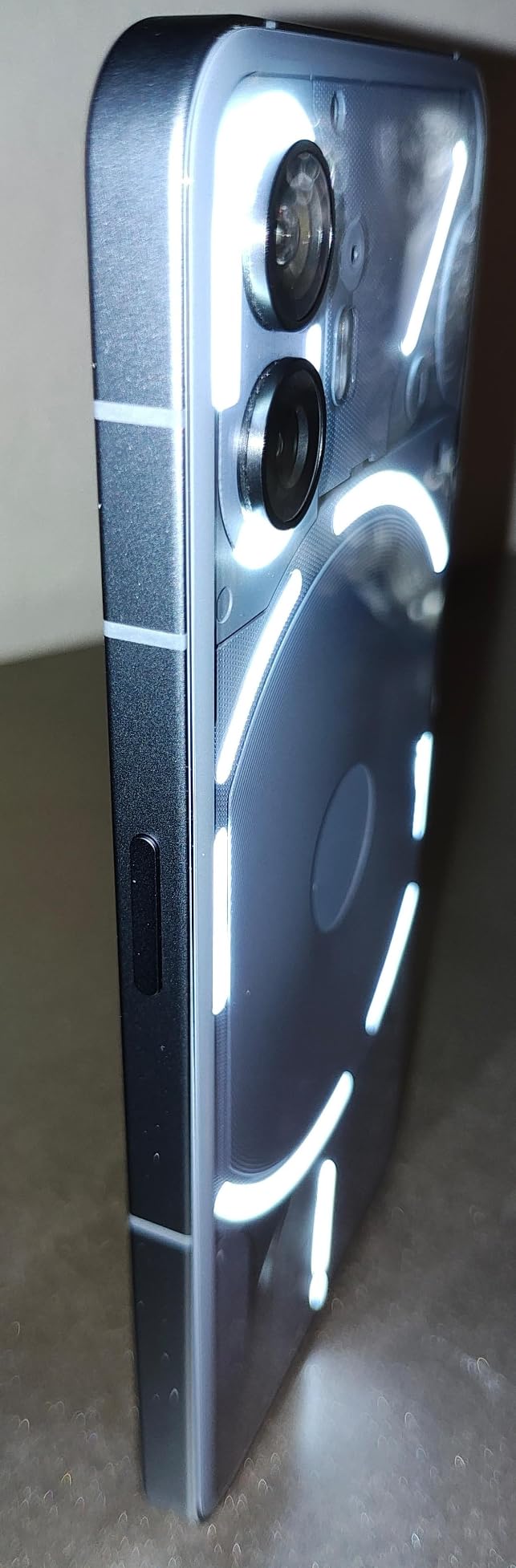
The phone feels premium in hand with solid build quality. At just 8 ounces, it’s lighter than many modern flagships. The IP54 rating provides basic splash resistance, though you’ll want to be careful around water.
Users who want wireless charging, those who value proven reliability over latest specs, and anyone finding good deals on older models.
Users wanting the latest camera technology, people concerned about long-term software support, or anyone needing the absolute best performance.
We earn from qualifying purchases, at no additional cost to you.
Nothing is a smartphone company founded by Carl Pei that creates unique Android phones with transparent designs and LED notification systems called Glyph interface. What makes them different isn’t just the see-through back or those distinctive LED lights – it’s their philosophy of bringing fun back to smartphones.
The Glyph Interface is Nothing’s signature feature – a system of LED lights on the back that can show notifications, charging status, ringtones, and even simple games. It sounds gimmicky, but after using it for a while, you realize it’s genuinely useful for silent notifications and adds personality to the phone.
Nothing OS is their custom Android skin that stays very close to stock Android while adding unique visual elements. There’s virtually no bloatware, which means the phone stays fast even after months of use. Essential Space is their productivity app that helps organize notes and screenshots, while the Essential Key is a customizable button for quick access to features.
Choosing the right Nothing phone depends on your budget, needs, and location. After testing all models and talking to dozens of users, here’s what you need to consider.
⚠️ Important: Nothing phones have limited US carrier compatibility. Most models work on T-Mobile and AT&T, but Verizon support is hit or miss. Always check band compatibility before buying if you’re in the US.
If camera quality is your priority, the Nothing Phone (3) offers the most versatile system with four 50MP sensors including a periscope zoom lens. The 3a Pro provides excellent value with its 50MP telephoto lens and impressive 50MP front camera. Both take great photos in good lighting, though low light performance still lags behind iPhone and Samsung flagships.
The Nothing Phone (2a) delivers incredible value at under $400. You get 12GB of RAM (with boost to 16GB), a beautiful AMOLED display, and decent cameras. While it lacks some premium features like wireless charging, it offers 90% of the flagship experience at less than half the price.
US buyers face challenges with Nothing phones. Official US releases are limited, and imported models may miss key 5G bands. The Phone (2a) and (3a) series have better US support than flagship models. If you’re on Verizon, you might want to consider other options or be prepared for potential network issues.
Good news – all current Nothing phones have solid battery life ranging from 4700mAh to 5150mAh. The Phone (2) with its LTPO display often lasts almost two days with moderate use. Heavy users should be fine with any model, though the (3) series has slightly larger batteries and more efficient processors.
All Nothing phones run Nothing OS, which is clean, fast, and close to stock Android. There’s minimal bloatware, and the interface stays smooth over time. Updates have been regular so far, though long-term support commitment isn’t as clear as with major brands.
Yes, Nothing phones offer excellent value with unique designs and clean software. They’re great for users wanting something different from mainstream brands. The cameras are good in daylight, battery life is solid, and performance meets daily needs. However, US network limitations and average low-light camera performance are worth considering.
The Nothing Phone (3) is the best overall with its quad-camera system and flagship specs. For most people, the Phone (3a) offers the best balance of features and price. Budget buyers should choose the Phone (2a) for its incredible value. Photography enthusiasts might prefer the 3a Pro for its telephoto lens and 50MP front camera.
Yes, the Nothing Phone 3a is worth buying if you want unique design and solid performance without paying flagship prices. It delivers smooth performance, good cameras for social media, and excellent battery life. Just be aware of US network limitations and that it lacks some premium features like wireless charging.
Main disadvantages include limited US carrier compatibility, average low-light camera performance compared to iPhone/Samsung, no expandable storage, limited repair options especially in the US, and uncertain long-term software support. The Essential Key button placement can also cause accidental presses, and accessory selection is limited compared to major brands.
Nothing phones can handle casual gaming well. The Phone (3) with Snapdragon 8s Gen 4 is best for gaming, while the 3a series with Snapdragon 7s Gen 3 handles most games at medium settings. The 2a with Dimensity 7200 Pro is adequate for light gaming. Serious mobile gamers might prefer dedicated gaming phones, but Nothing phones work fine for most popular titles.
Nothing phones have limited Verizon compatibility. Some bands may be missing, affecting 5G performance. The Phone (2a) and 3a series have better US support than flagship models. Verizon users should check specific model band compatibility before buying or consider T-Mobile/AT&T for better experience.
Nothing promises 3 years of Android updates and 4 years of security updates for current models. Updates have been regular so far, but as a newer company, their long-term commitment isn’t as proven as major brands. Early models like Phone (1) had shorter update cycles, which concerns some buyers.
After spending months testing all Nothing Phone models and gathering feedback from real users, I can confidently recommend these phones to anyone wanting something different from the typical Samsung or iPhone experience. The transparent design isn’t just for show – it represents Nothing’s philosophy of openness and simplicity.
For most people, the Nothing Phone (3a) hits the sweet spot. It delivers the core Nothing experience – unique design, clean software, and capable cameras – at a price that won’t break the bank. Photography enthusiasts should consider the Phone (3) for its versatile camera system, while budget-conscious buyers will love the value offered by the Phone (2a).
Just be aware of the limitations, especially if you’re in the US. Network compatibility can be tricky, and long-term software support isn’t as guaranteed as with established brands. But if you’re willing to trade absolute reliability for personality and innovation, a Nothing phone might be exactly what you’re looking for.